The Chaos Tarot Deck
79 cards of cyberpunk divination. Explore every card's upright and reversed meanings, keywords, and deep lore.
How to Read the Chaos Tarot
The Chaos Tarot is a 79-card deck built on the classic structure of the Rider–Waite–Smith tradition, reimagined through a cyberpunk lens. The deck divides into two main groups: the Major Arcana (22 cards) representing universal forces and archetypal energies, and the Minor Arcana (56 cards) covering everyday situations across four suits — Codes, Networks, Signals, and Vectors. One Special card rounds out the deck.
Begin every reading with a question or intention. Shuffle until it feels right, then draw cards into your chosen spread. Each card has an upright meaning and a reversed meaning. Reversed cards (those that land upside down) don't mean bad news — they indicate blocked, internalized, or developing energy. Treat them as opportunities for inner work rather than warnings.
Spreads determine context. A single card offers a daily focus. Three cards reveal past, present, and future — or situation, action, and outcome. The Celtic Cross places a card in ten positional contexts for a comprehensive reading. Chaos Cross spreads introduce additional layers of paradox and cross-system synthesis. Start simple and add complexity as your familiarity with the cards grows.
The four suits of the Minor Arcana each govern a domain of life. Codes corresponds to the intellectual, communicative mind (traditional Swords). Networks speaks to emotion, relationships, and the inner world (traditional Cups). Signals covers will, ambition, and creative fire (traditional Wands). Vectors addresses the material world — money, body, work (traditional Pentacles). When a spread contains many cards of one suit, that domain is the central theme.
22
Major Arcana
56
Minor Arcana (4 suits)
1
Special Card
79
Total Cards
The Complete Guide to the Chaos Tarot Deck
A Brief History
Tarot cards trace their origins to 15th-century Italian playing card decks, most notably the Visconti-Sforza cards of Milan. Over the following centuries, occultists including Antoine Court de Gébelin, Eliphas Lévi, and the Hermetic Order of the Golden Dawn transformed these playing cards into a powerful system of divination and self-exploration. The Rider–Waite–Smith deck (1909) standardized the imagery that most modern tarot follows. The Chaos Tarot takes this 600-year lineage and reimagines it through a cyberpunk lens — replacing medieval symbolism with digital aesthetics while preserving the deep archetypal structure that makes tarot work as a tool for insight.
How to Use the Cards
Shuffling: There is no single correct way to shuffle tarot cards. Some practitioners use a standard riffle shuffle, others prefer to spread the cards on a surface and swirl them randomly, and still others simply cut the deck into piles and restack them. The key is intention — as you shuffle, hold your question in mind and let the process feel natural. Digital shuffling in Chaos Tarot uses a cryptographically random algorithm, ensuring each draw is genuinely unpredictable.
Drawing: After shuffling, draw cards into your chosen spread layout. A single card provides a daily focus. Three cards reveal a narrative arc. The Celtic Cross (10 cards) offers a comprehensive situation analysis. In Chaos Tarot, tap or click to draw each card into its position — reversals are determined automatically based on the draw.
Interpreting: Read each card in the context of its position within the spread. A card in a “past” position describes what led to the current moment, while the same card in an “outcome” position describes where things are heading. Combine the card's inherent meaning with its positional context, and look for patterns: multiple cards from one suit suggest that domain dominates your situation.
Common Misconceptions
“Tarot predicts the future.” Tarot does not show a fixed destiny. It reflects the energies, patterns, and tendencies present in your current situation. The future is shaped by your choices, and tarot helps you see the landscape of possibility more clearly so you can choose with greater awareness.
“Reversed cards are always bad.” Reversed cards are not negative omens. They indicate that the card's energy is blocked, internalized, or still developing. Think of them as invitations for inner work or signals that something needs attention before it can fully manifest.
“You need psychic ability.” Tarot reading is a learnable skill, not a supernatural gift. It combines symbolic literacy (knowing what the cards represent), pattern recognition (seeing connections across a spread), and reflective questioning (asking what the cards might mean for your specific situation). Anyone willing to study and practice can become a skilled reader.
Tips for Beginners
- Start with single-card daily draws before moving to multi-card spreads. This builds familiarity with each card's energy one at a time.
- Keep a tarot journal. Write down your draw, your initial impression, and then revisit it at the end of the day to see how the card's themes played out.
- Focus on the keywords first. Every card in the Chaos Tarot deck lists 3-5 keywords that capture its core energy — these are your anchor when a full interpretation feels overwhelming.
- Do not memorize meanings rigidly. The same card can mean different things in different contexts. Let the card's imagery, your intuition, and the spread position guide your interpretation.
- Use the AI interpretation feature (Oracle tier) to see how a professional-level reading synthesizes multiple cards into a coherent narrative — then practice doing it yourself.
Major Arcana22 cards
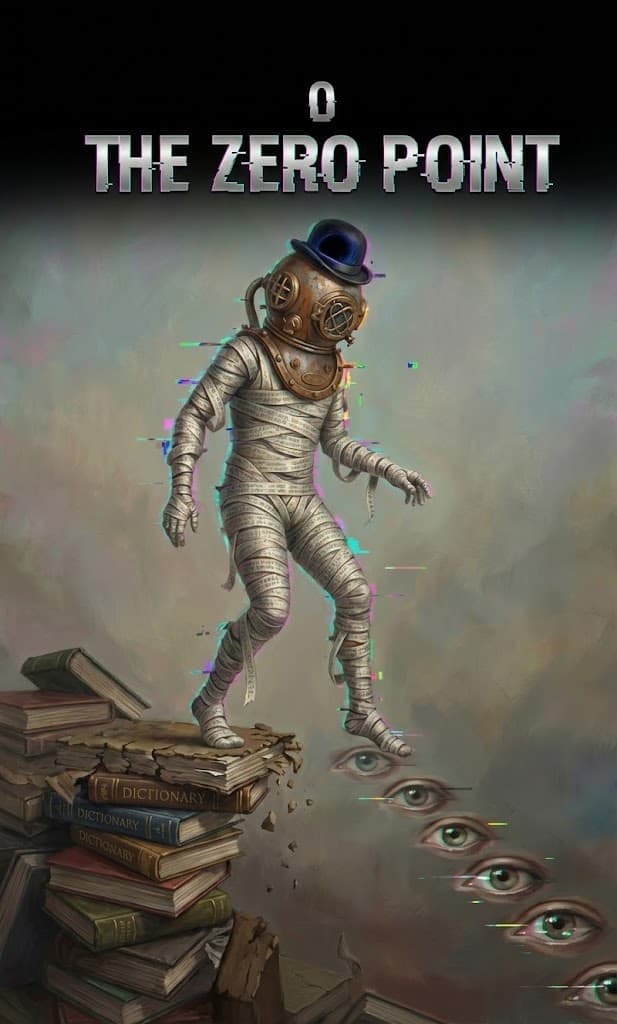
The Zero Point
potential · void · origin
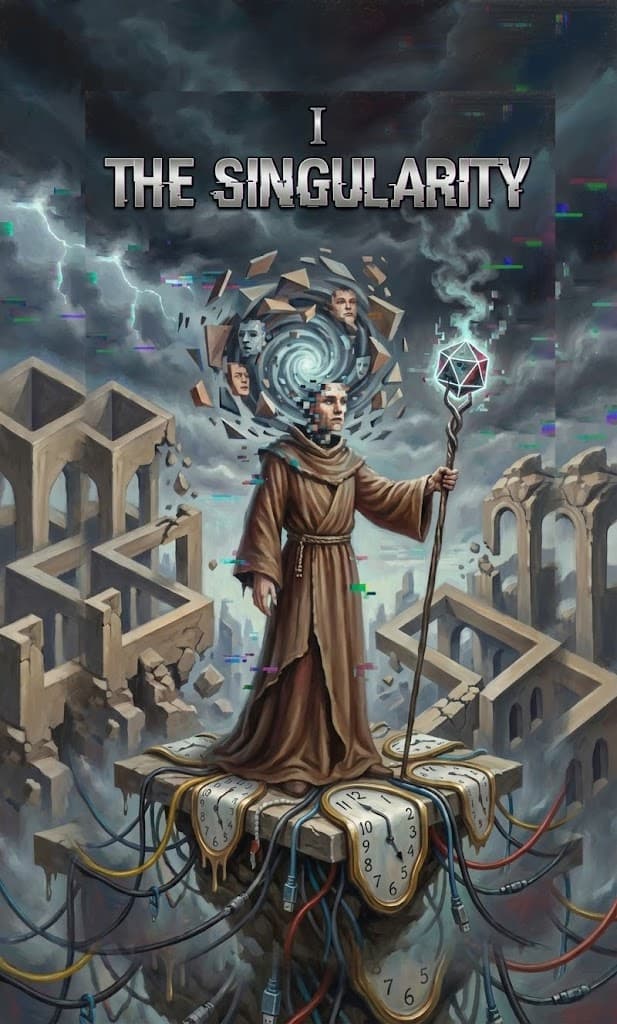
The Singularity
mastery · willpower · creation
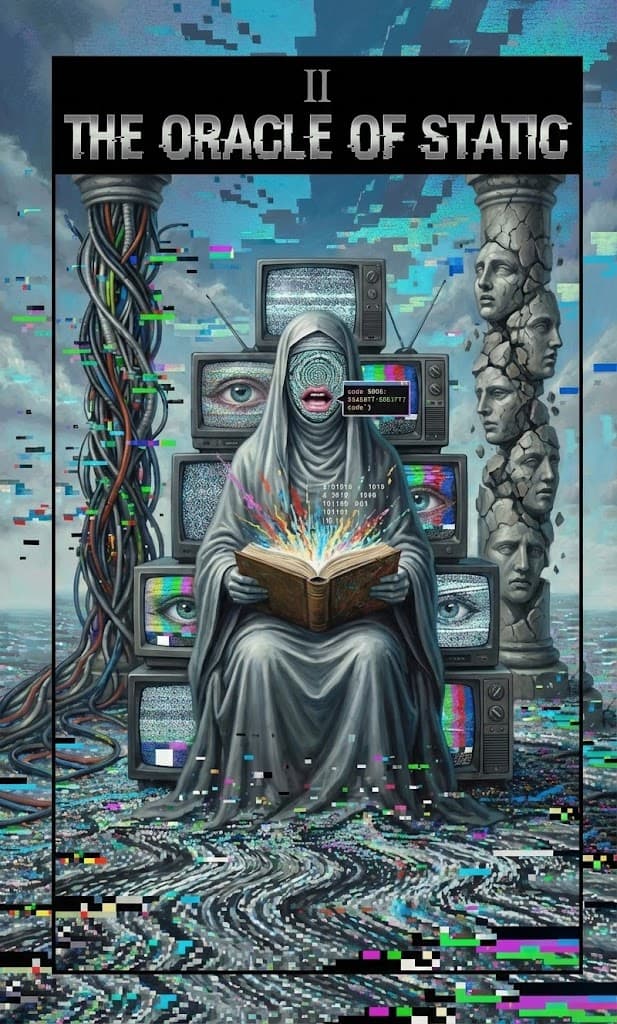
Oracle of Static
intuition · mystery · hidden knowledge
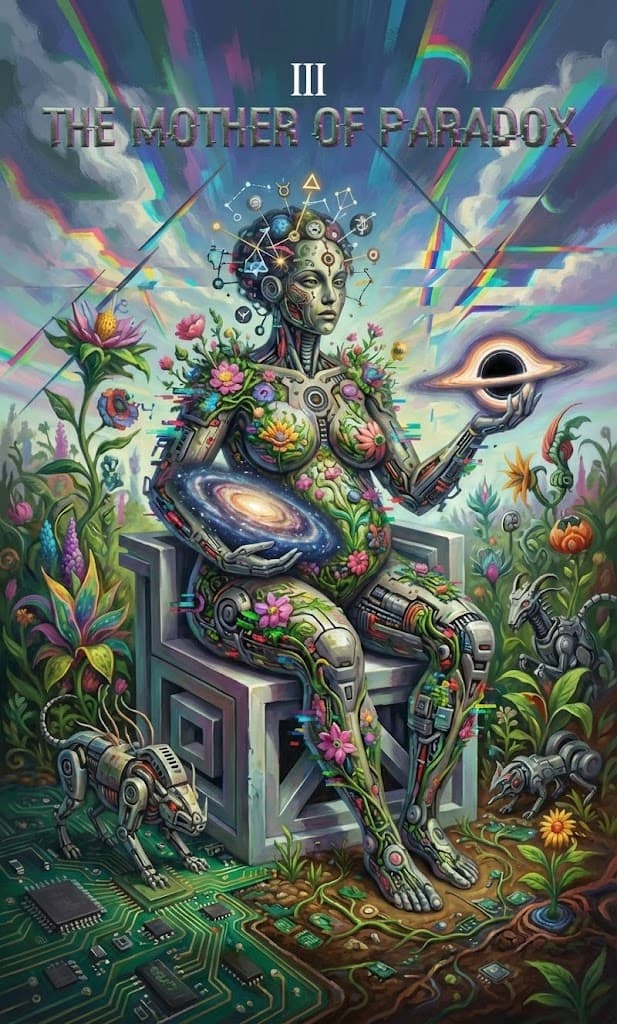
Mother of Paradox
abundance · creativity · nurturing
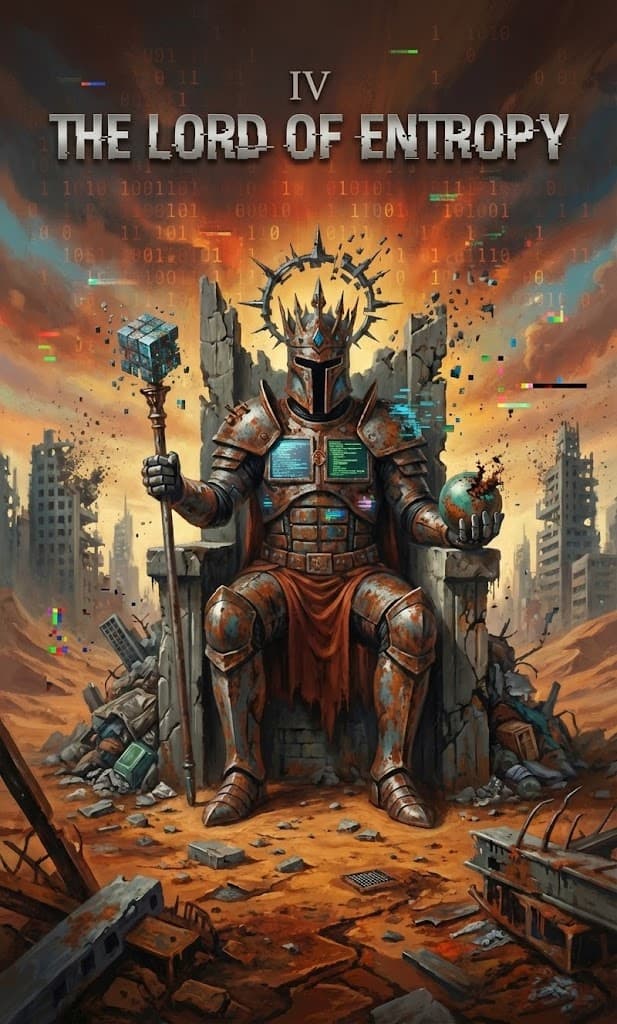
Lord of Entropy
authority · structure · stability
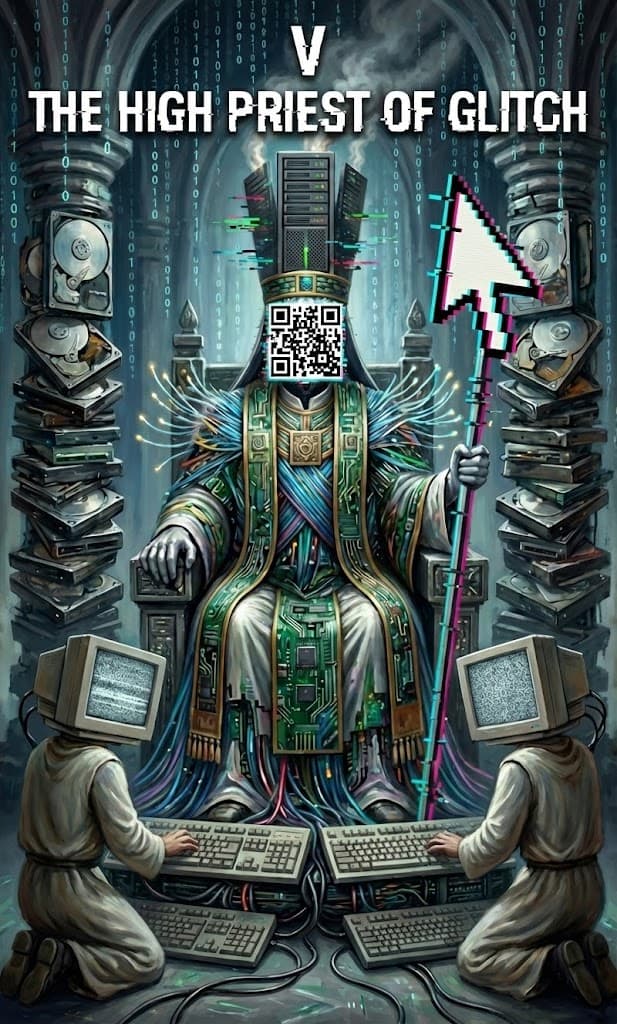
High Priest of Glitch
tradition · doctrine · mentorship
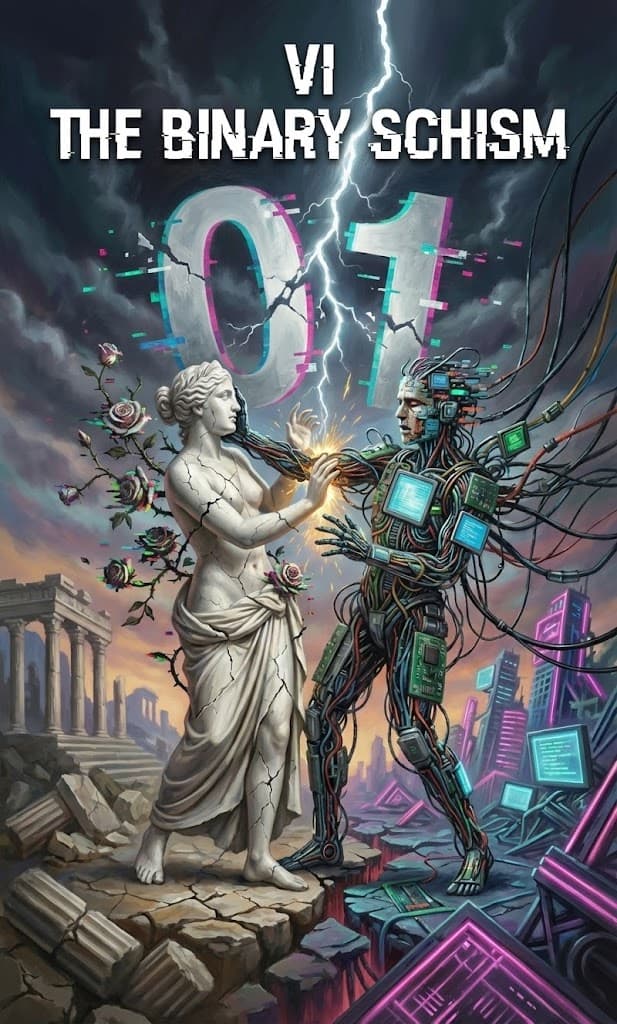
Binary Schism
choice · duality · partnership
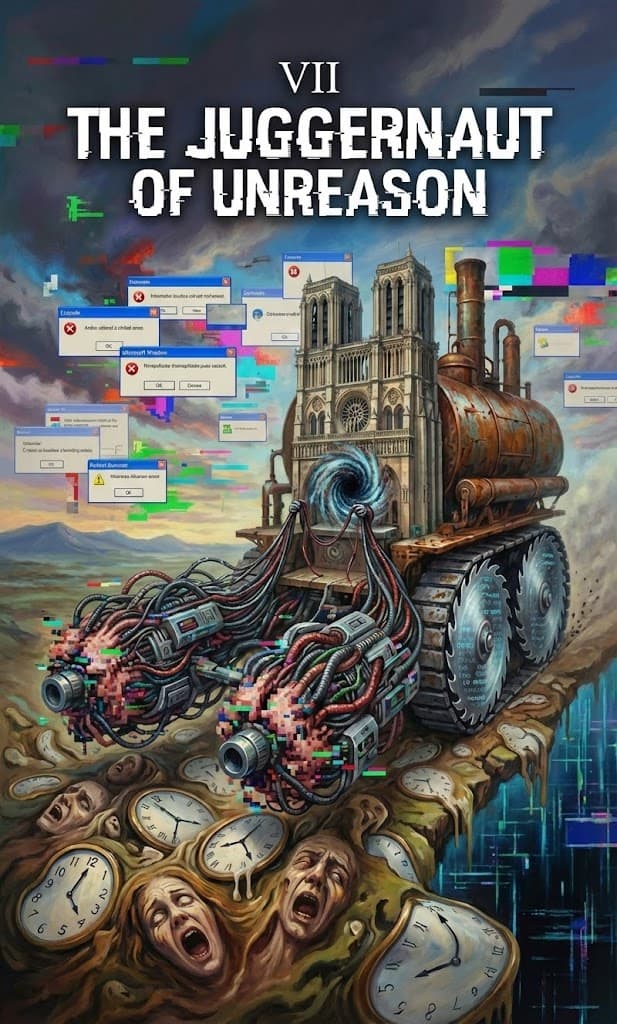
Juggernaut of Unreason
willpower · triumph · momentum
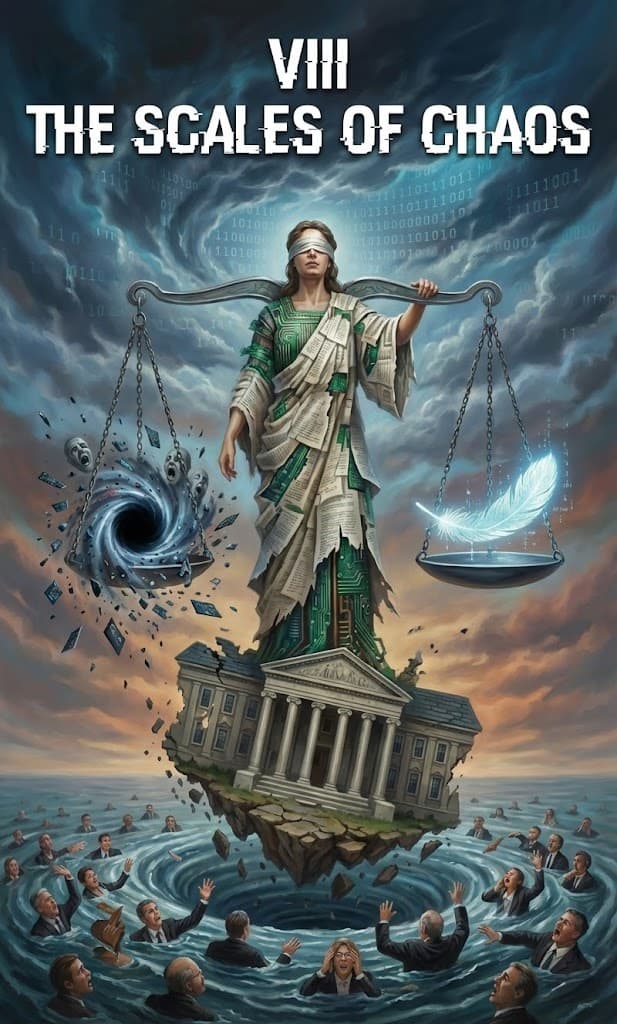
Scales of Chaos
justice · balance · fairness
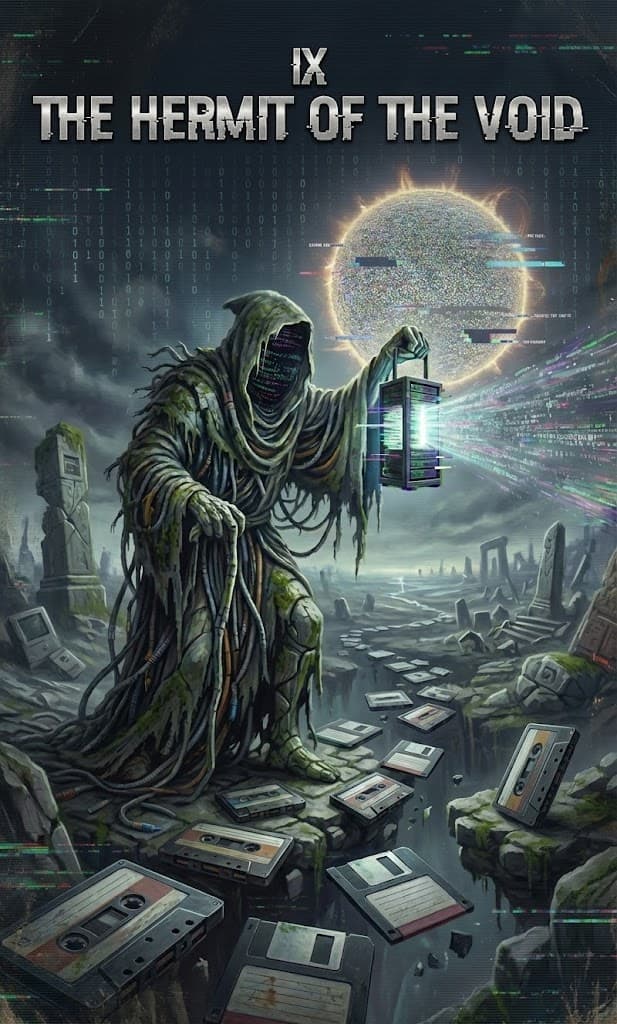
Hermit of the Void
solitude · introspection · wisdom
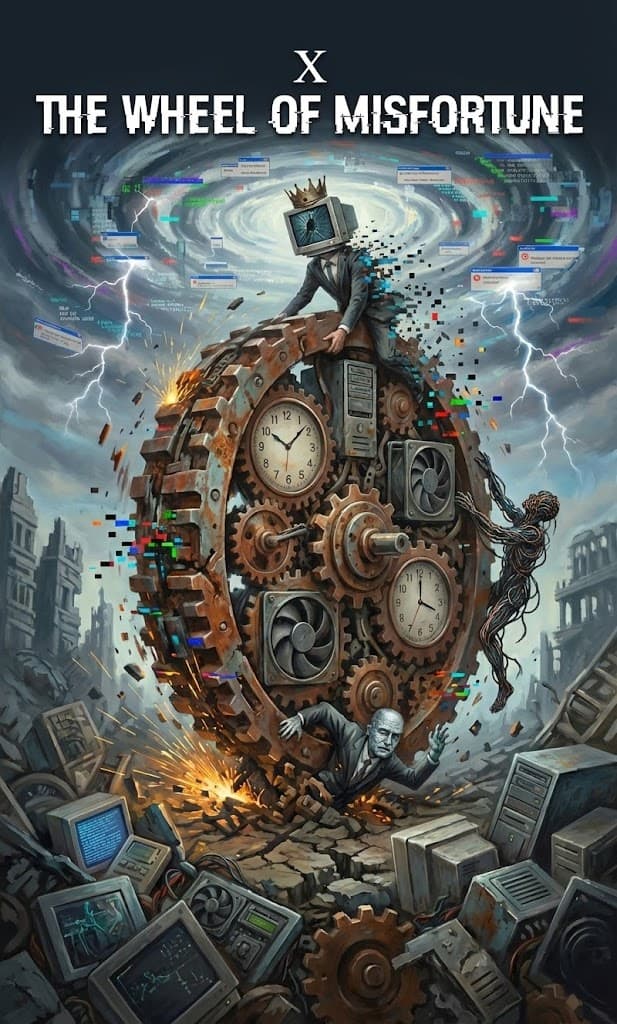
Wheel of Misfortune
fate · cycles · change
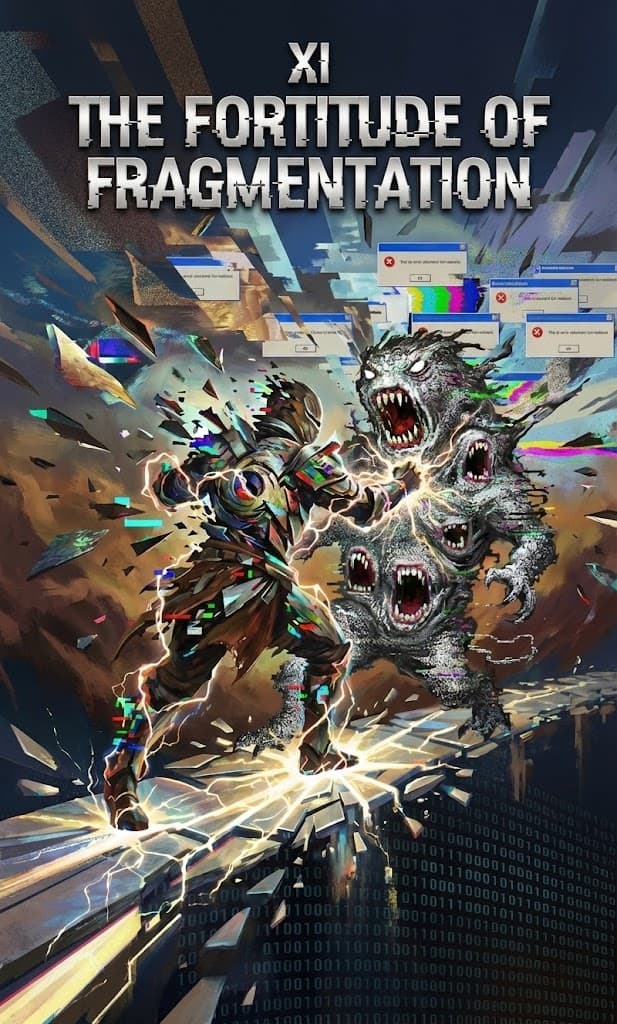
Fortitude of Fragmentation
courage · resilience · inner strength
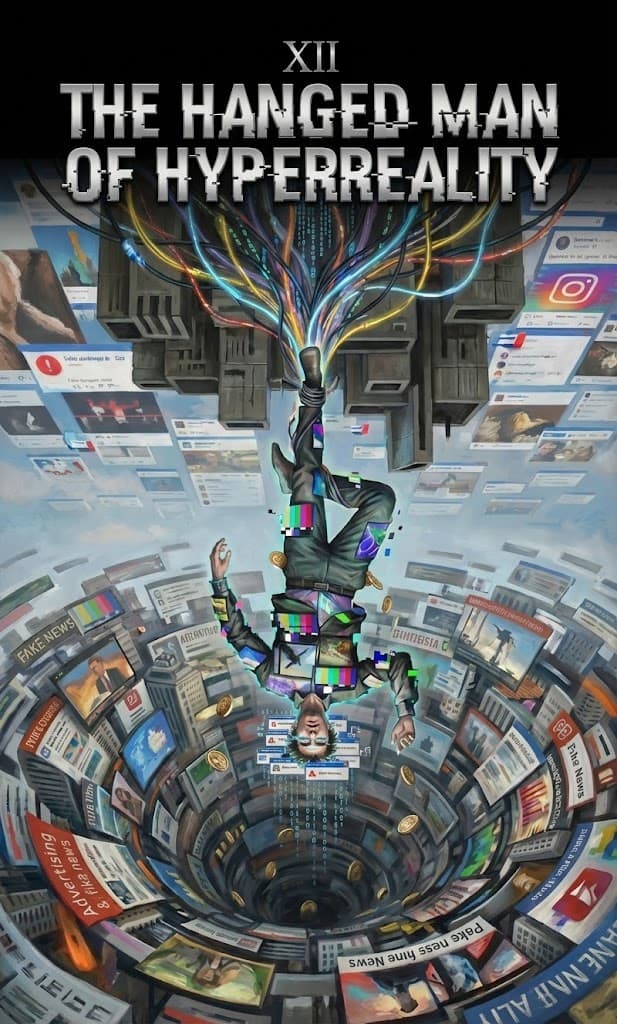
Hanged Man of Hyperreality
surrender · new perspective · suspension
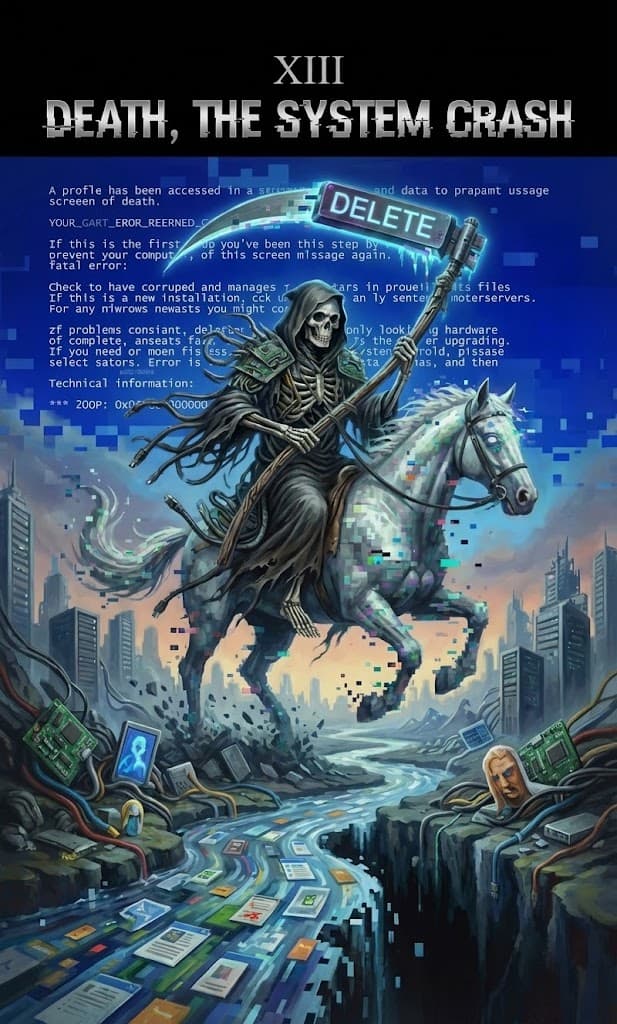
Death the System Crash
transformation · ending · rebirth
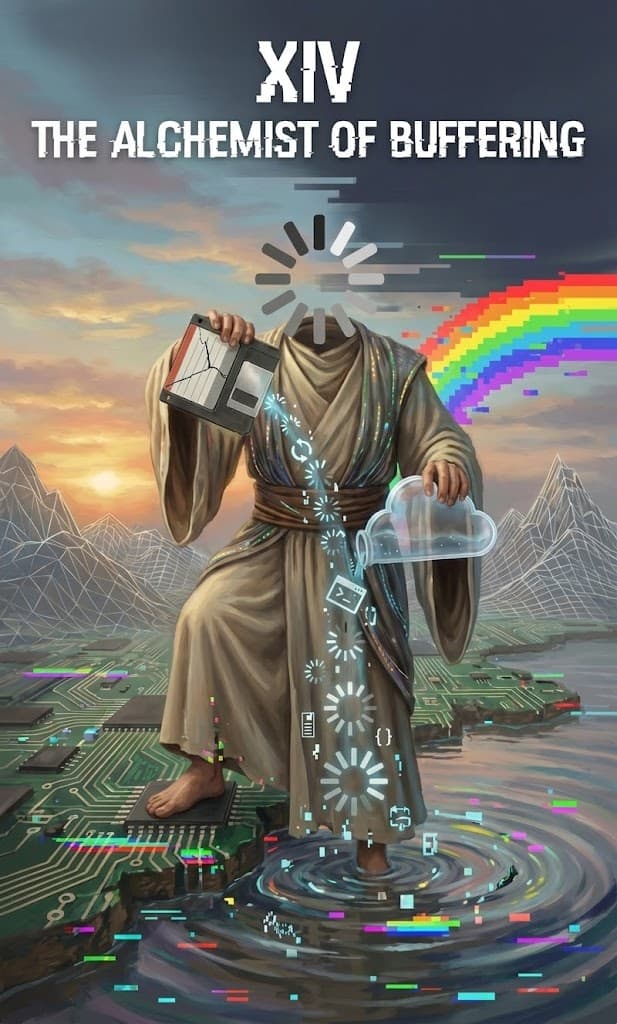
Alchemist of Buffering
patience · moderation · alchemy
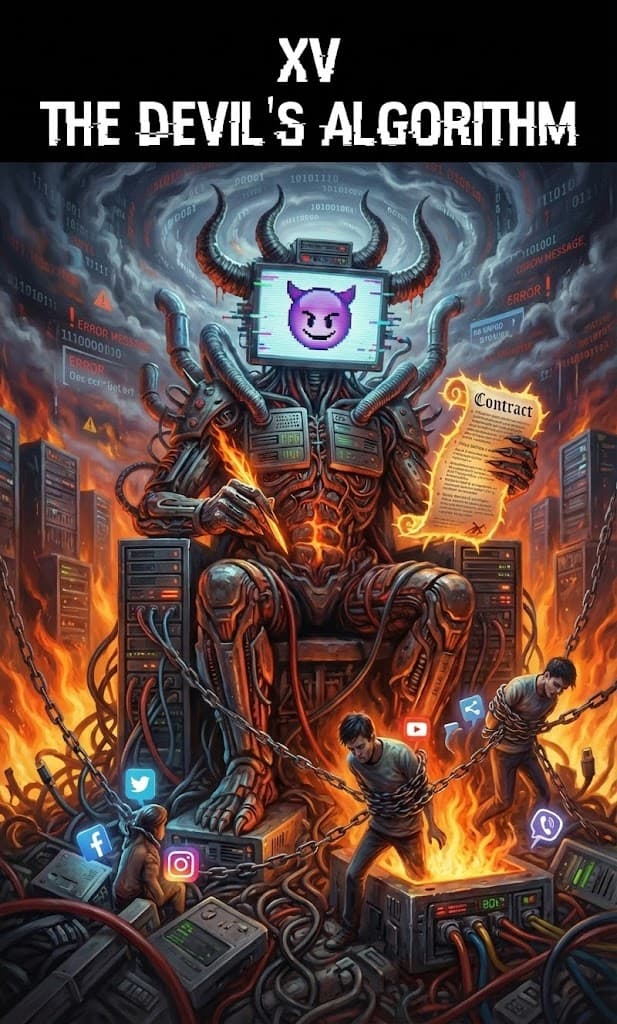
The Devil's Algorithm
bondage · addiction · materialism
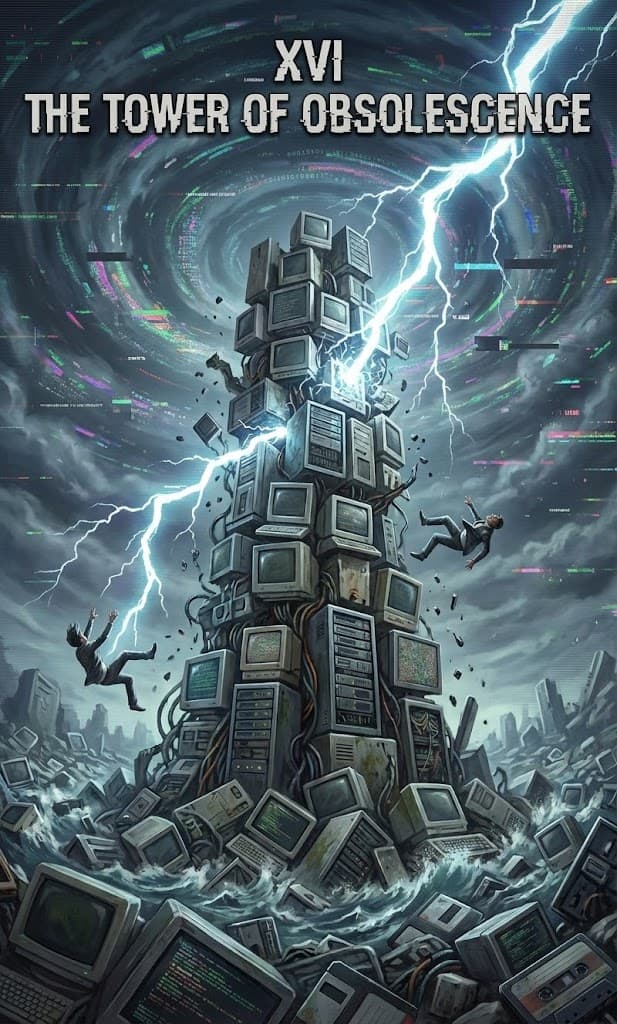
Tower of Obsolescence
upheaval · sudden change · revelation
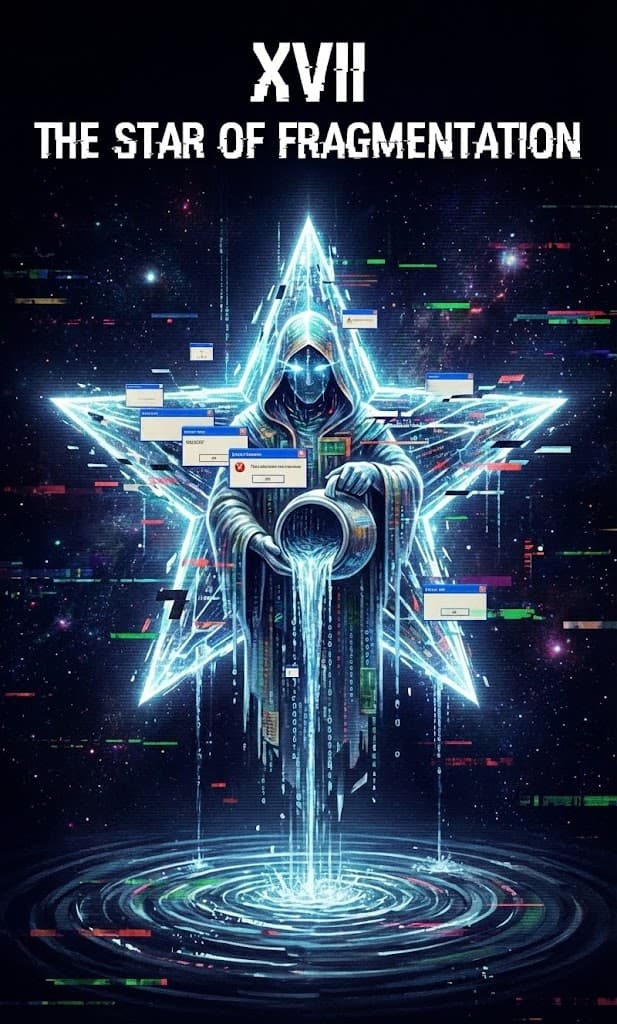
Star of Fragmentation
hope · inspiration · renewal
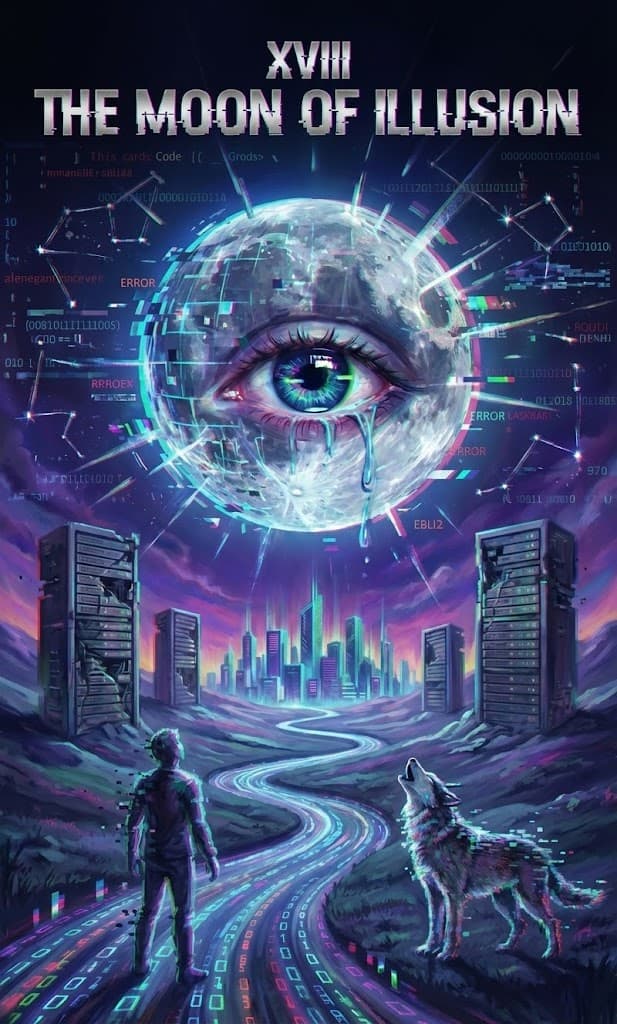
Moon of Illusion
illusion · fear · subconscious
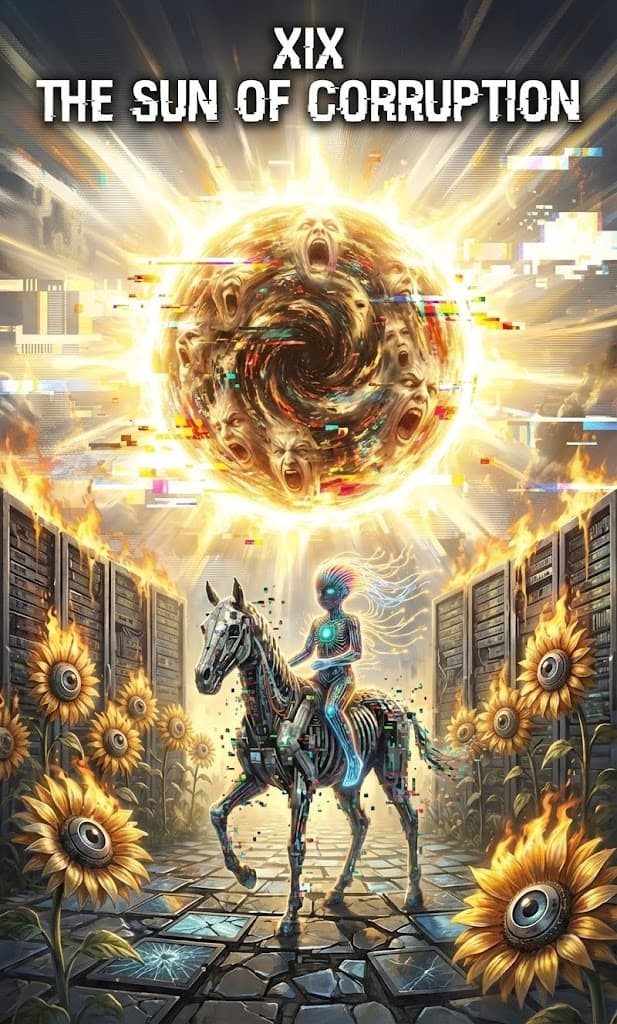
Sun of Corruption
joy · success · vitality
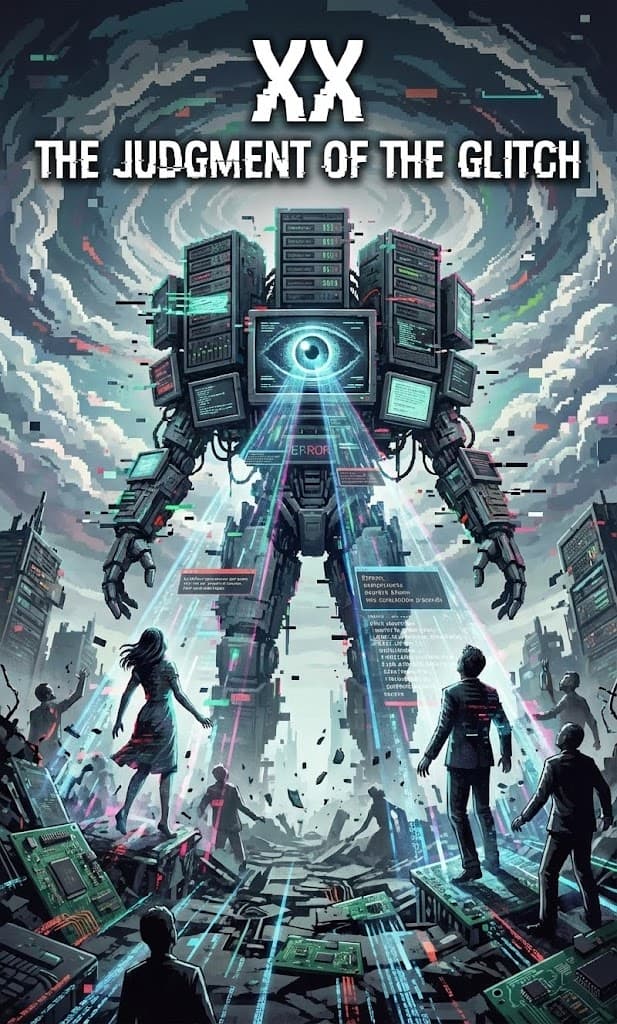
Judgement of the Glitch
reckoning · reflection · absolution
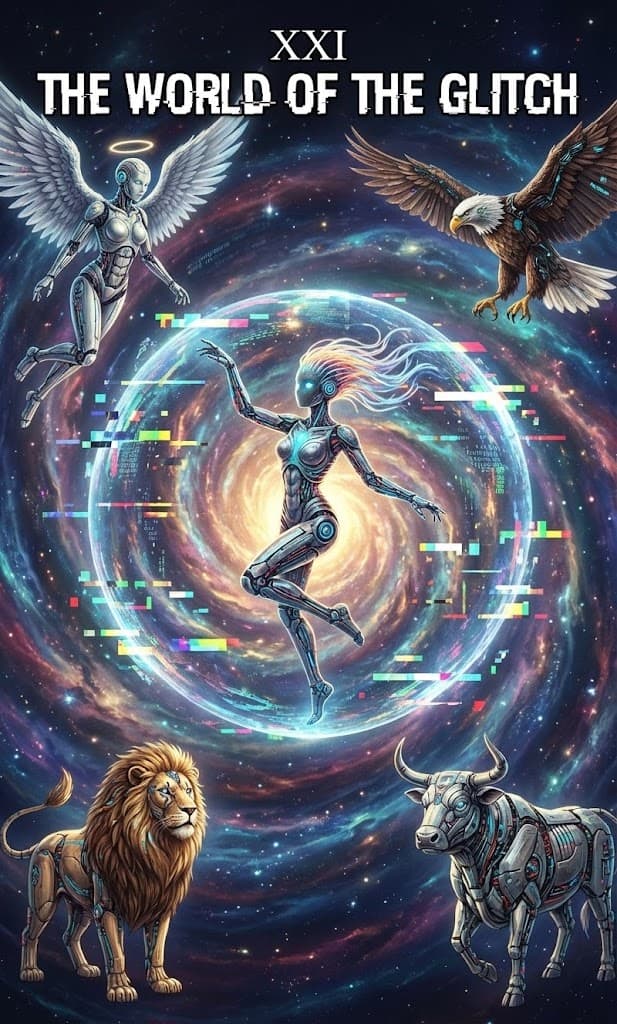
World of the Glitch
completion · wholeness · integration
Suit of Codes14 cards
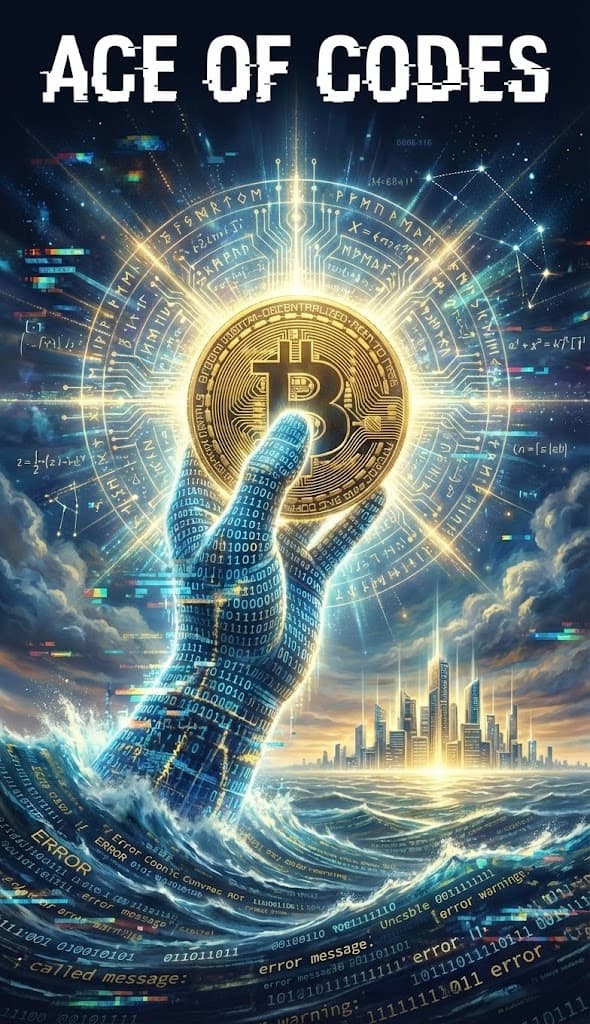
Ace of Codes
new beginnings · prosperity · creation
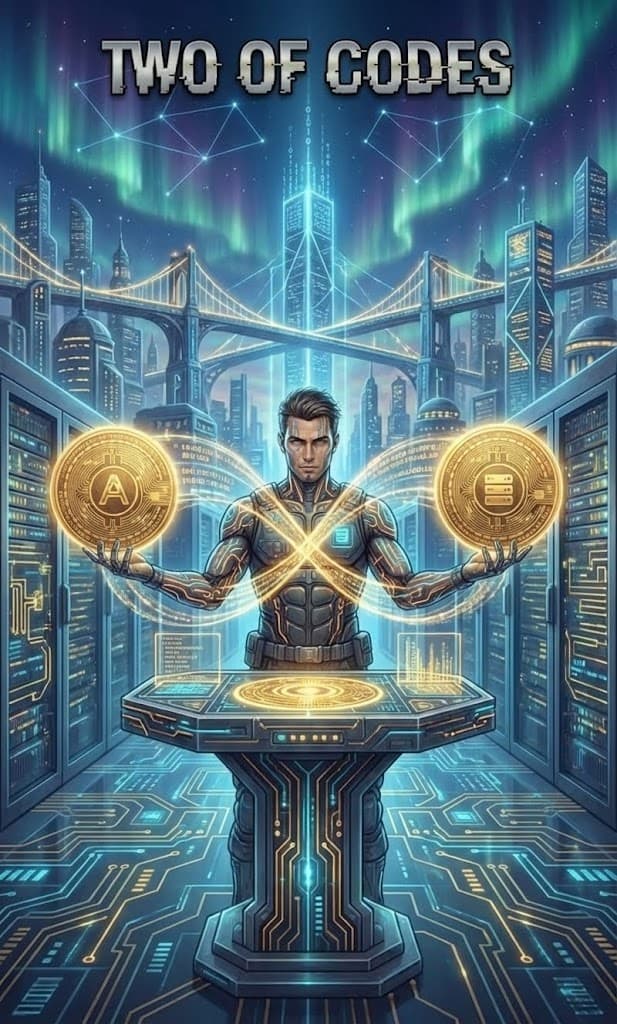
Two of Codes
balance · adaptability · multitasking
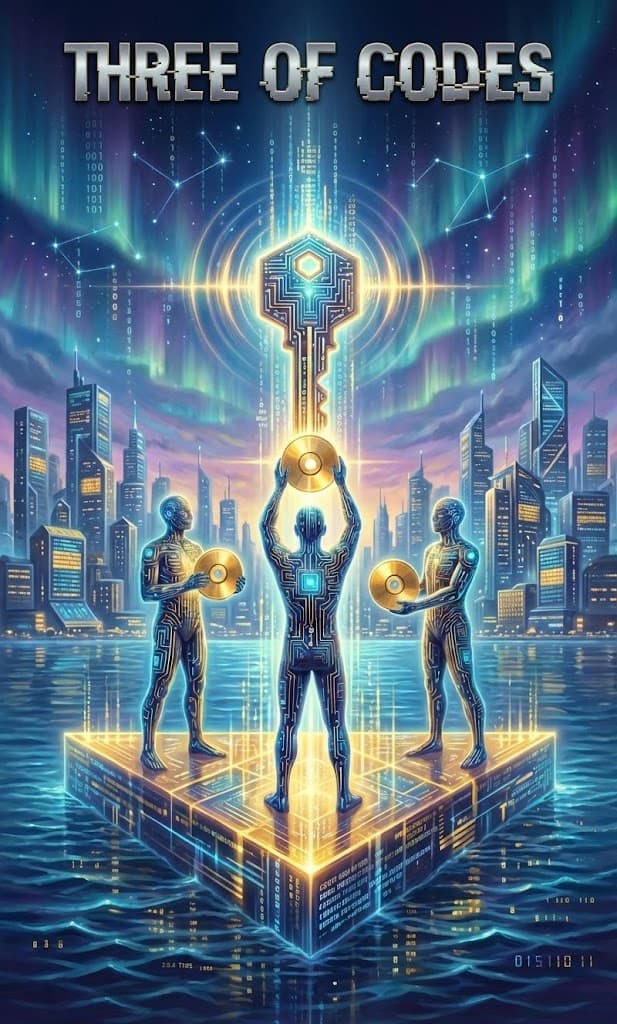
Three of Codes
teamwork · craftsmanship · collaboration
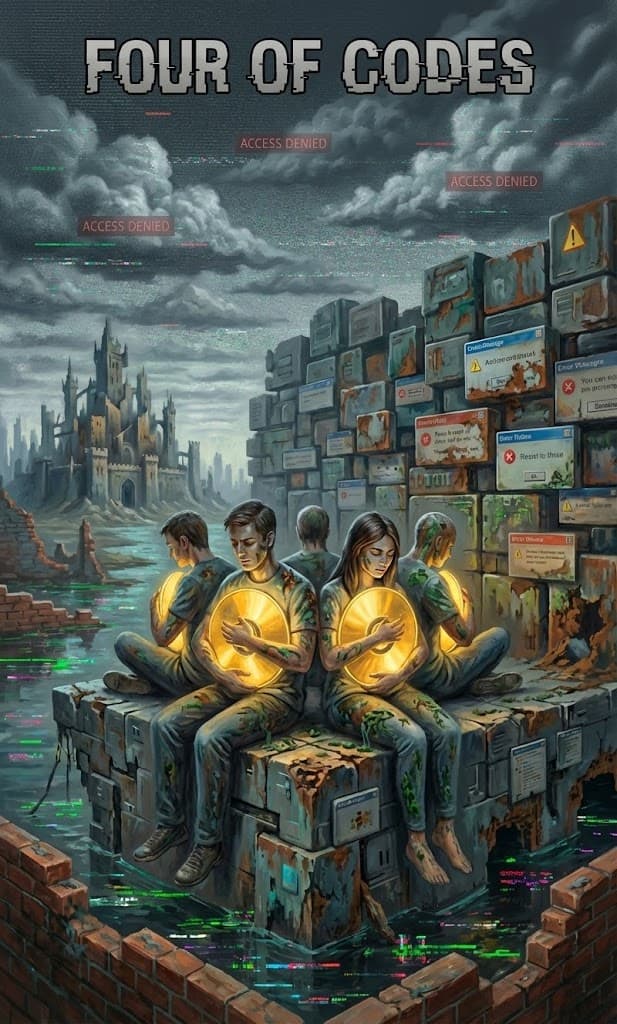
Four of Codes
security · stability · conservation
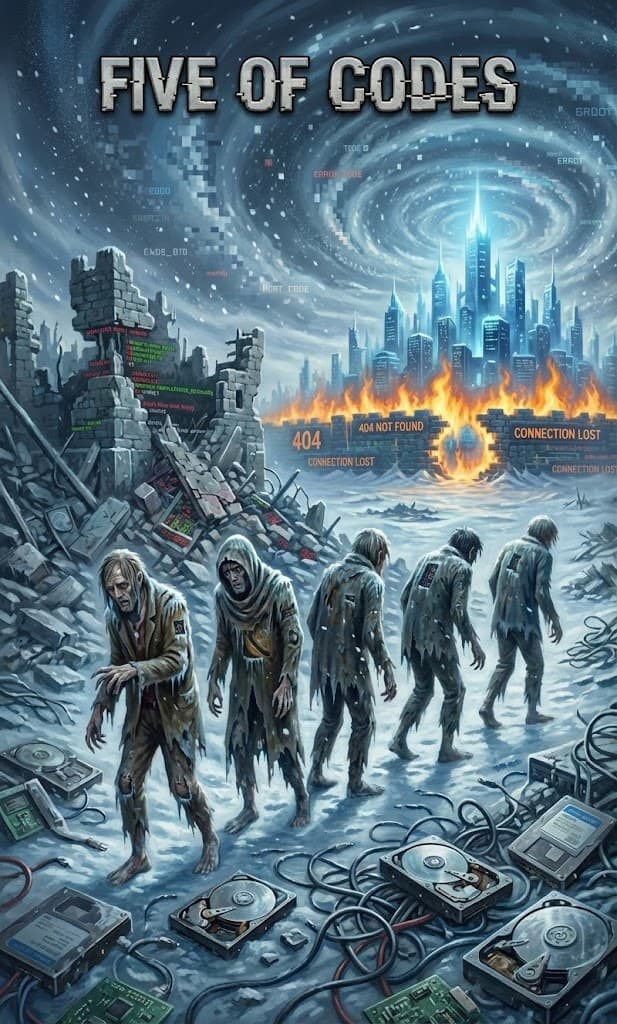
Five of Codes
hardship · loss · scarcity
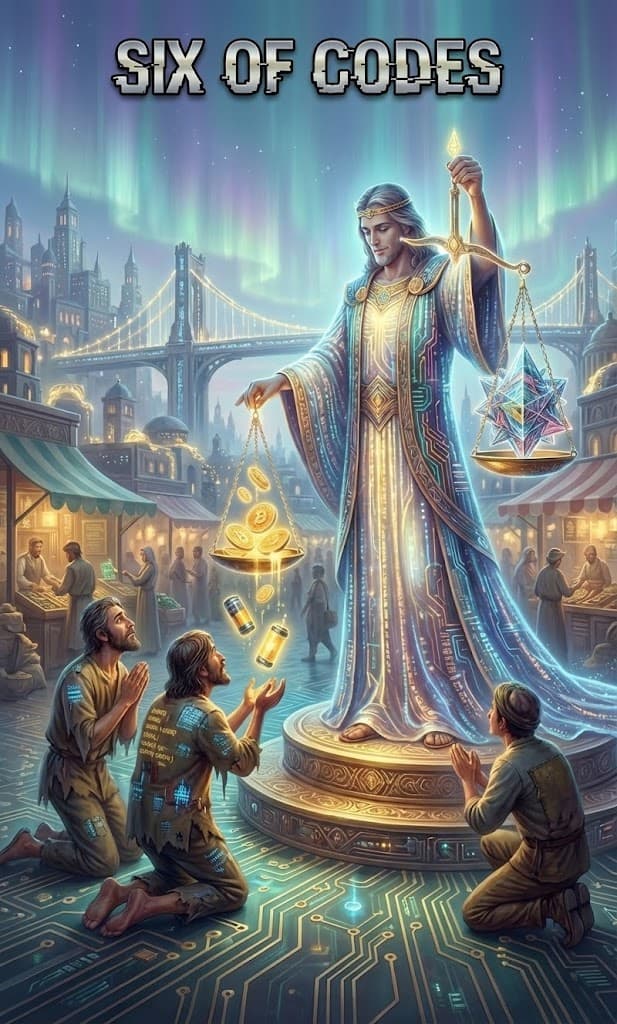
Six of Codes
generosity · sharing · charity
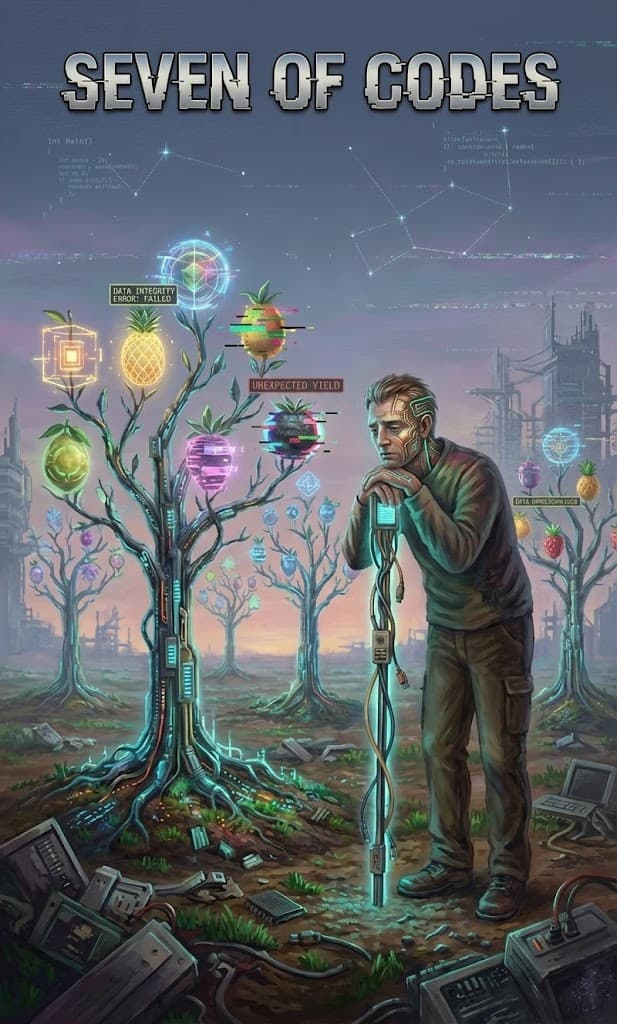
Seven of Codes
patience · investment · long-term vision
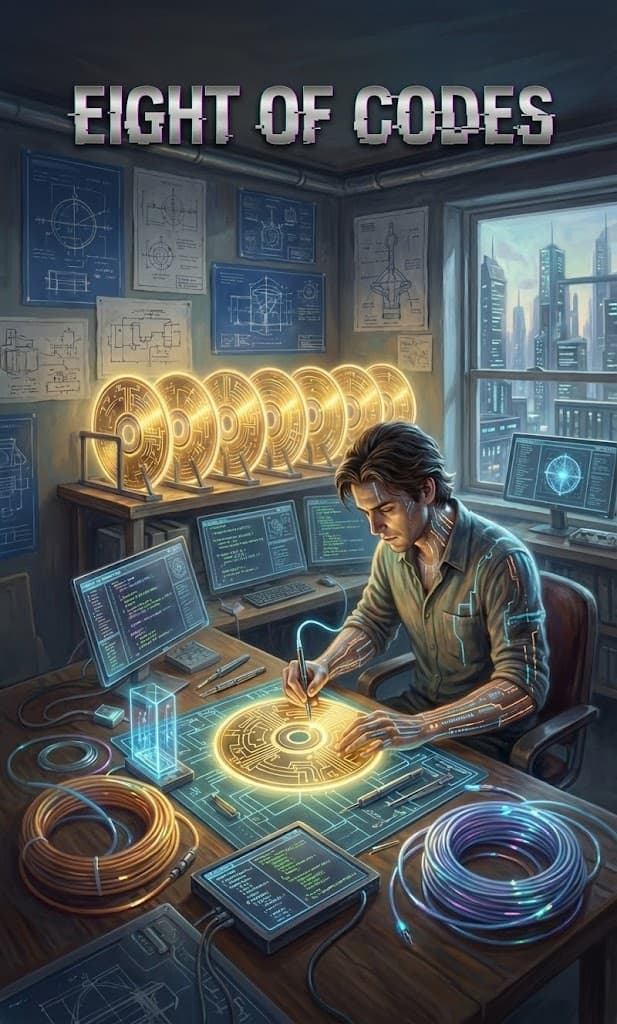
Eight of Codes
diligence · craftsmanship · focus
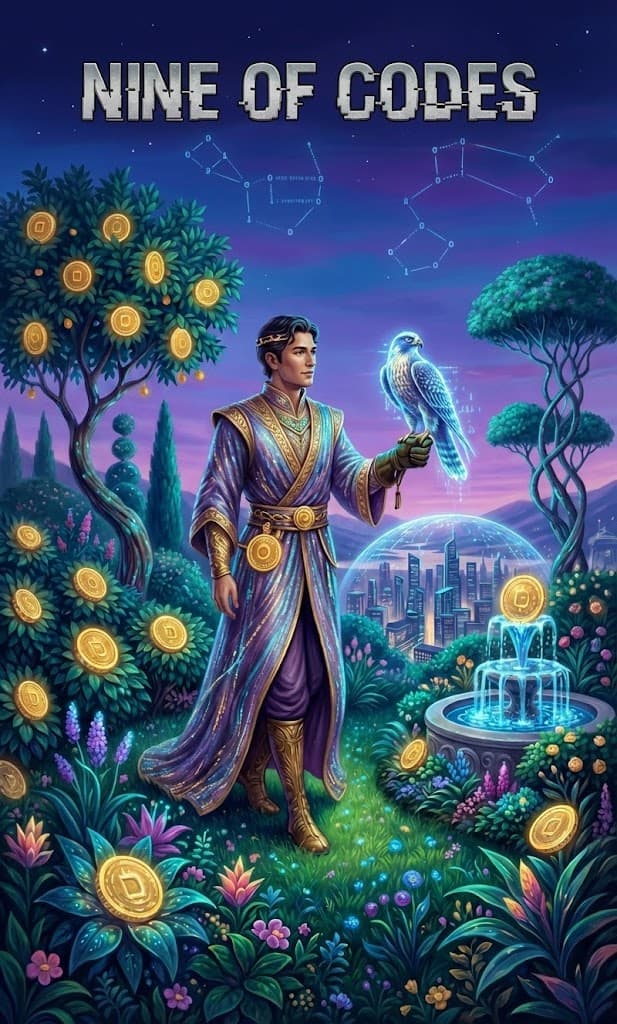
Nine of Codes
abundance · luxury · self-sufficiency
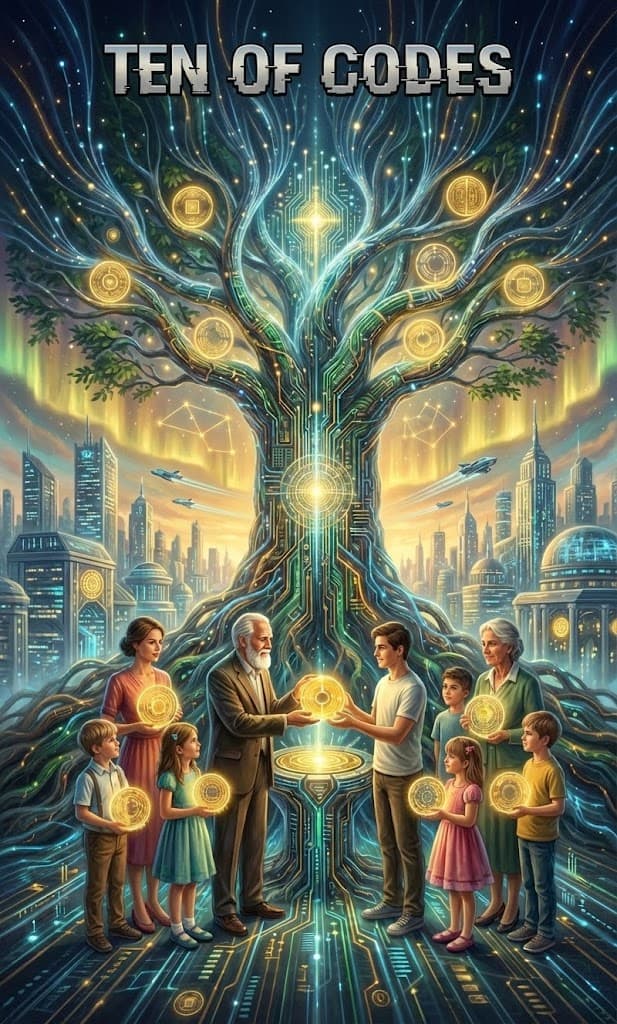
Ten of Codes
legacy · inheritance · wealth
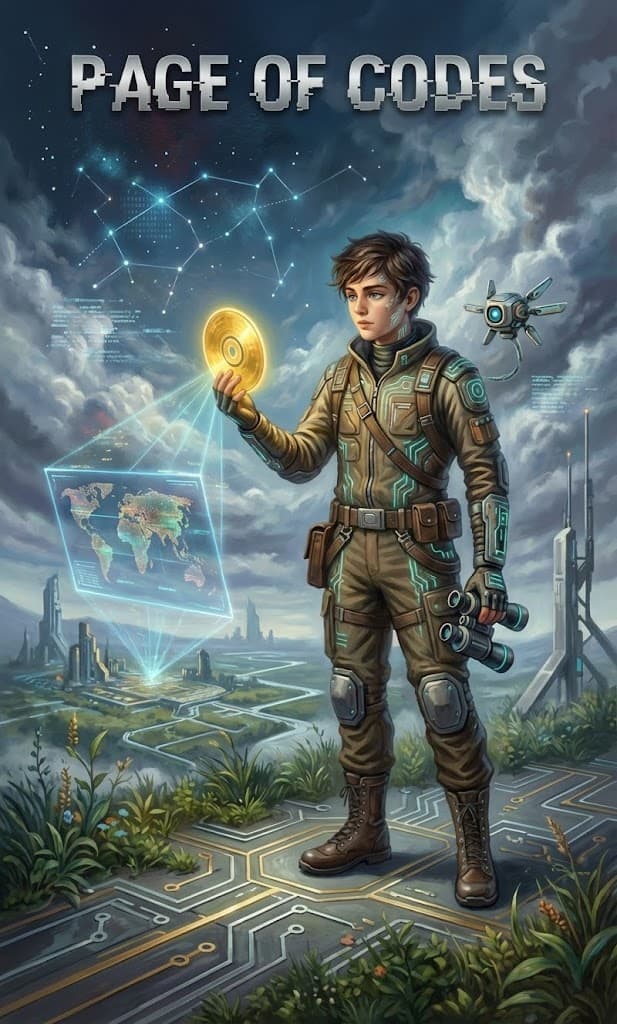
Page of Codes
study · ambition · new skills
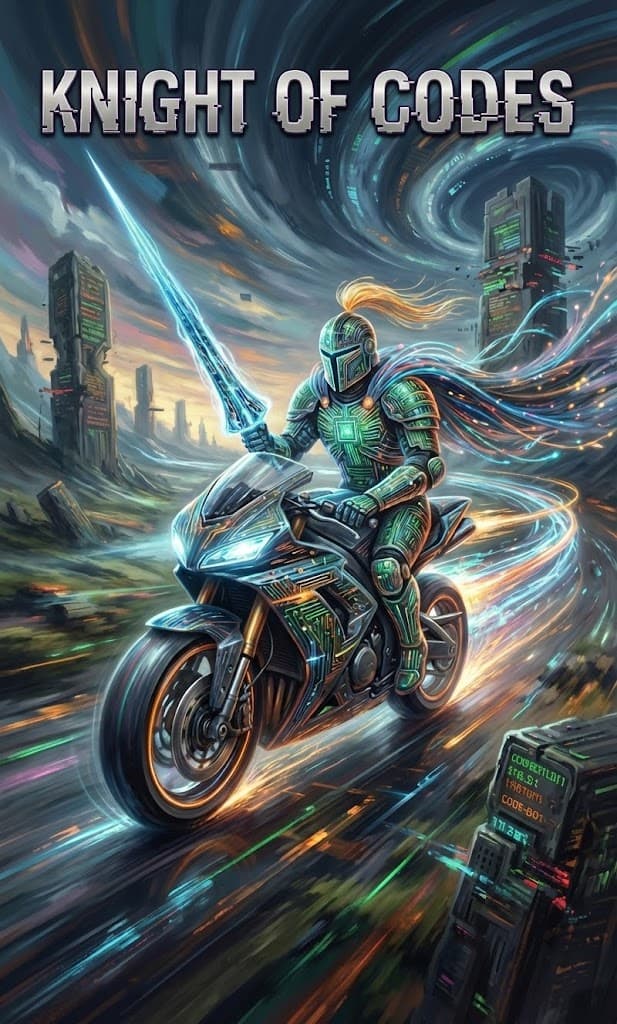
Knight of Codes
persistence · reliability · hard work
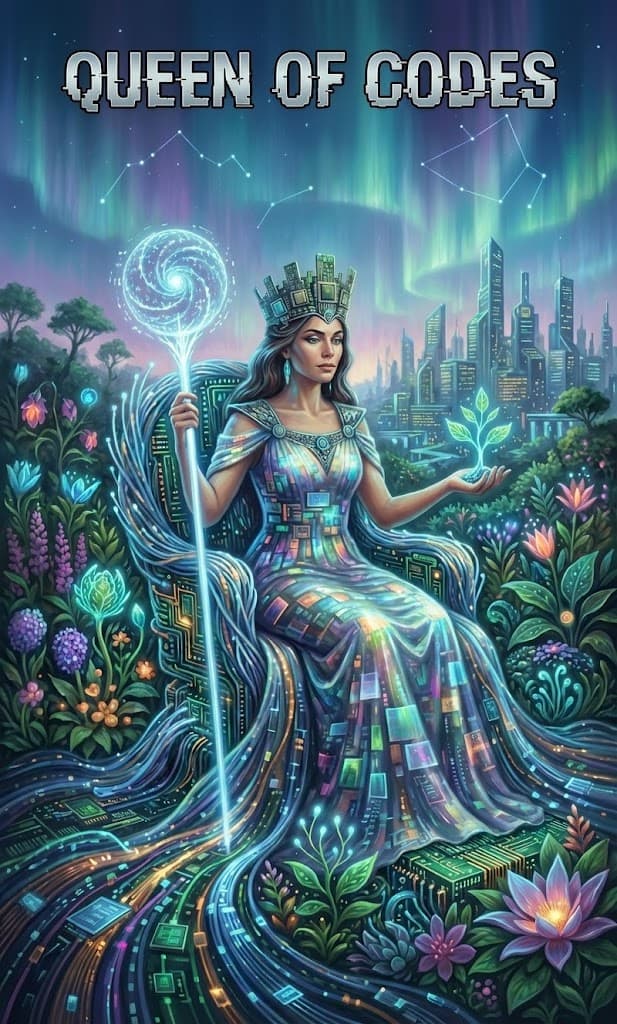
Queen of Codes
nurturing · abundance · practical wisdom
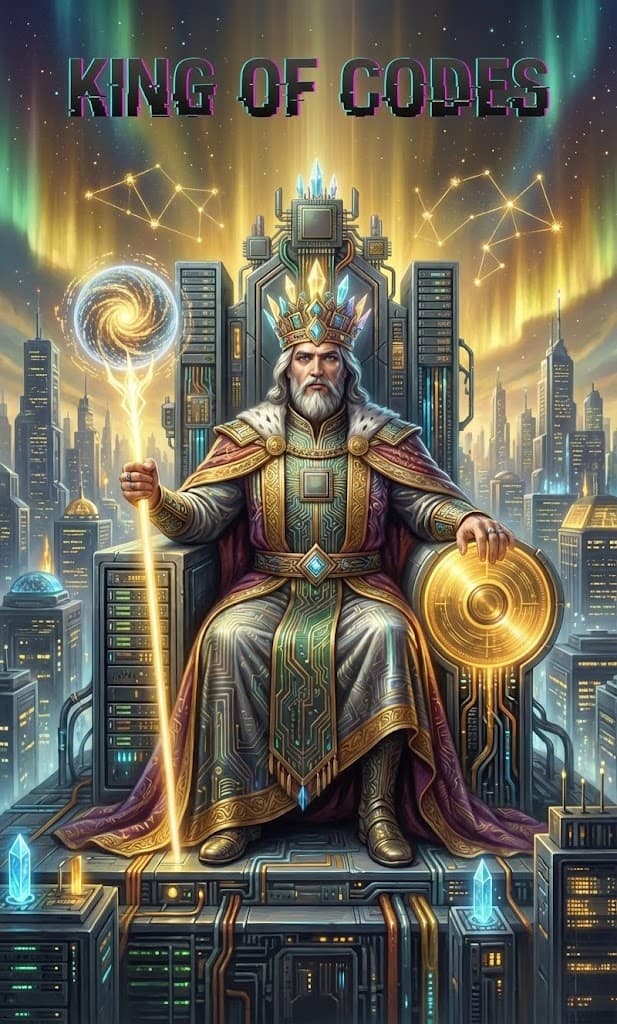
King of Codes
mastery · wealth · discipline
Suit of Networks14 cards
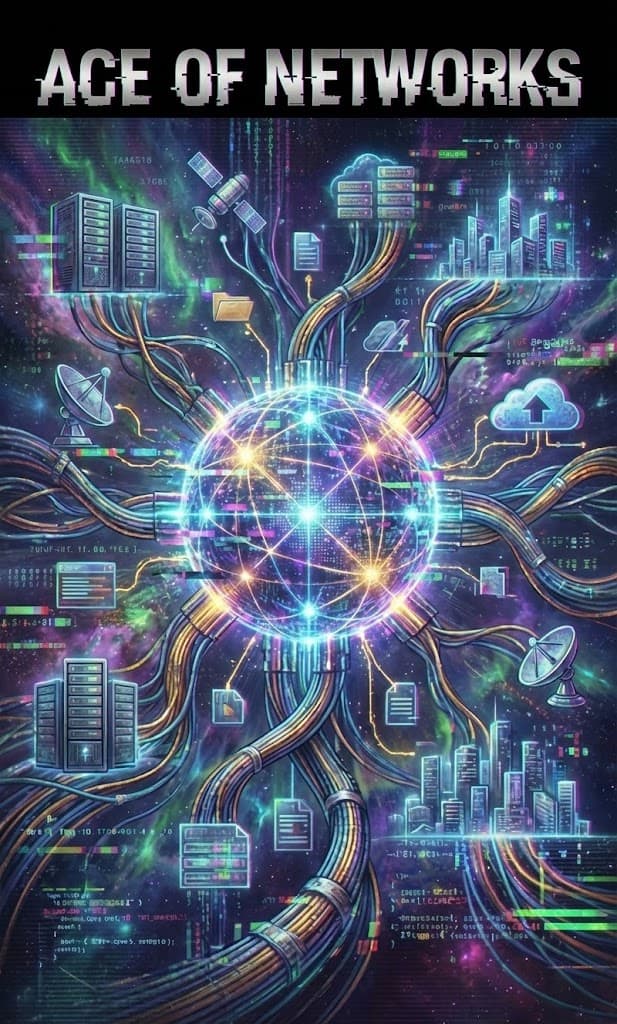
Ace of Networks
new connection · love · emotional beginning
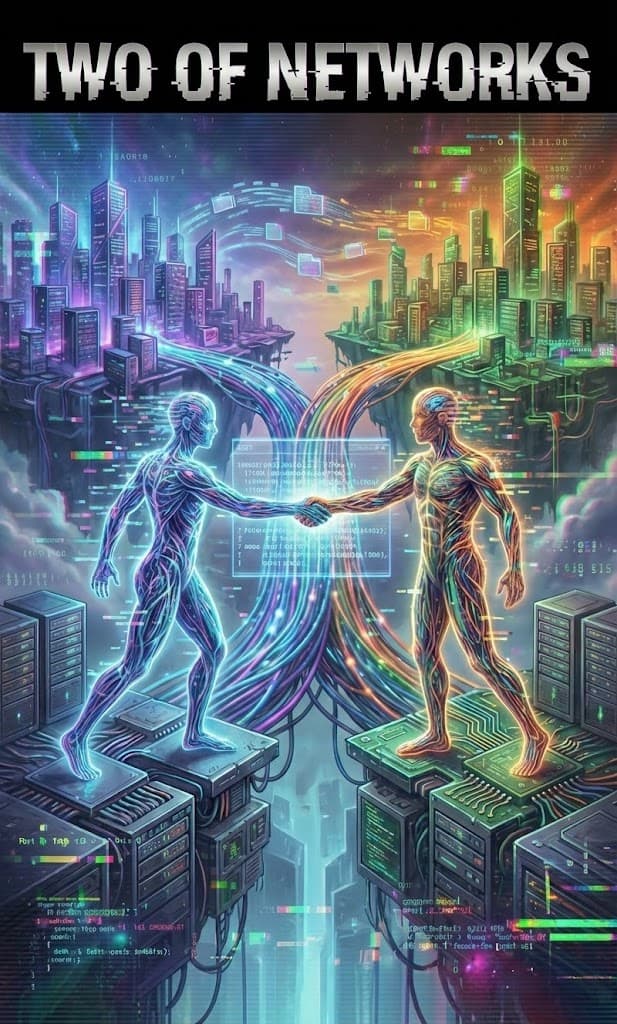
Two of Networks
partnership · unity · mutual attraction
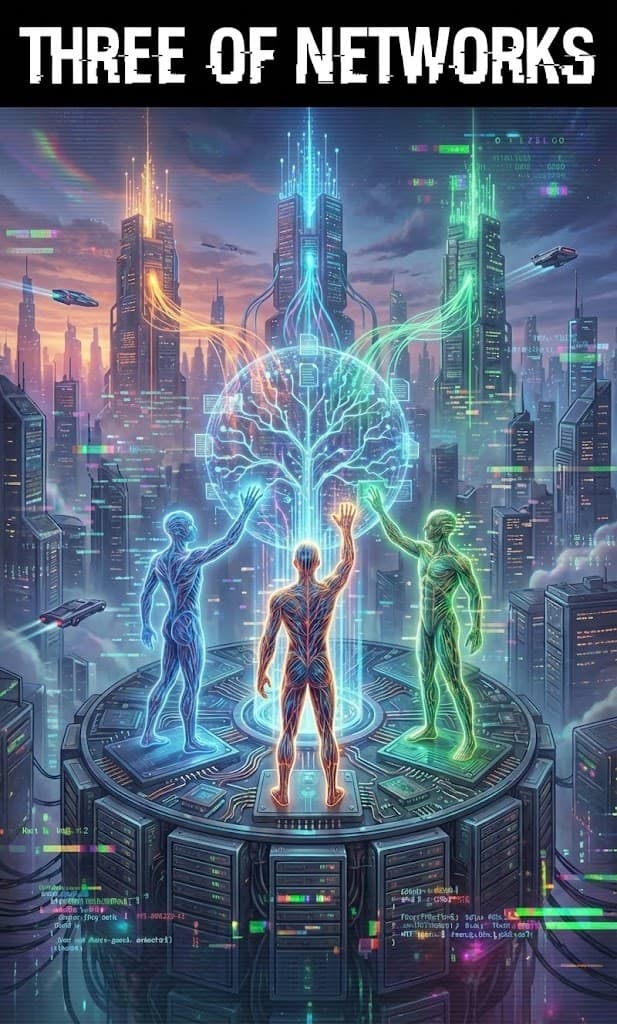
Three of Networks
celebration · friendship · community
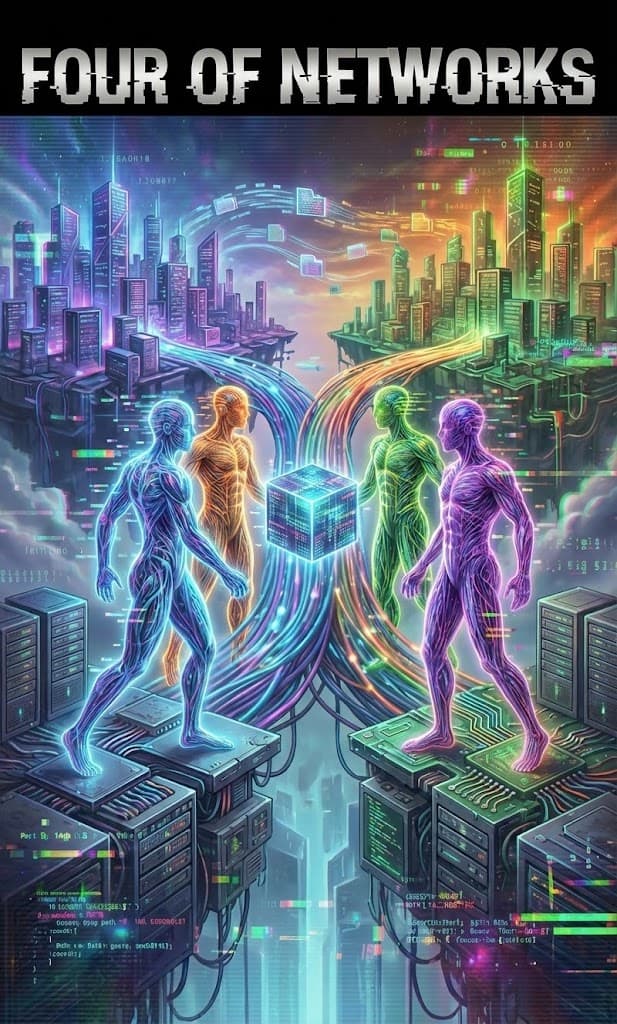
Four of Networks
apathy · contemplation · disconnection
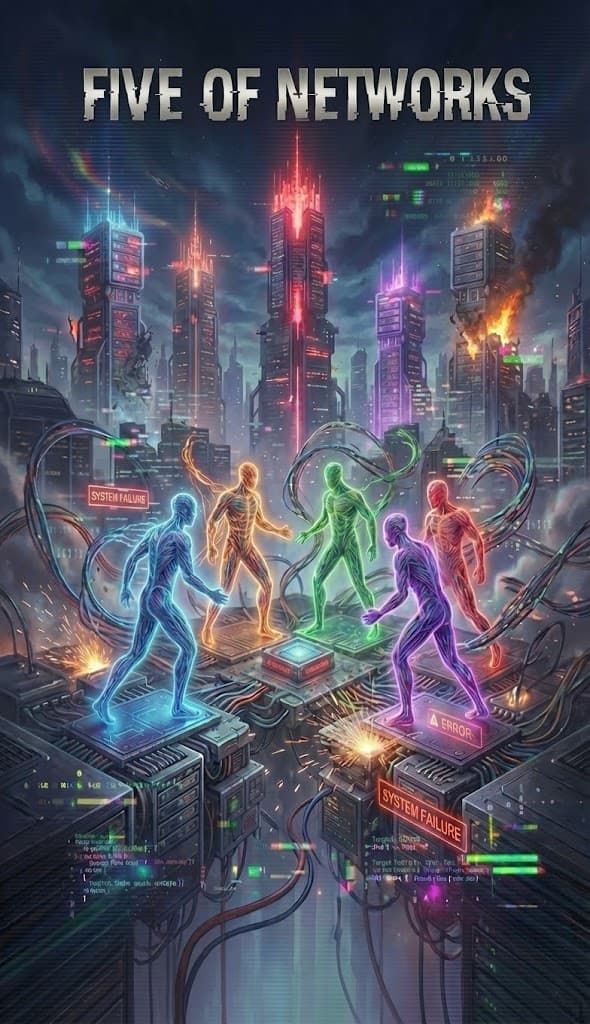
Five of Networks
loss · grief · regret
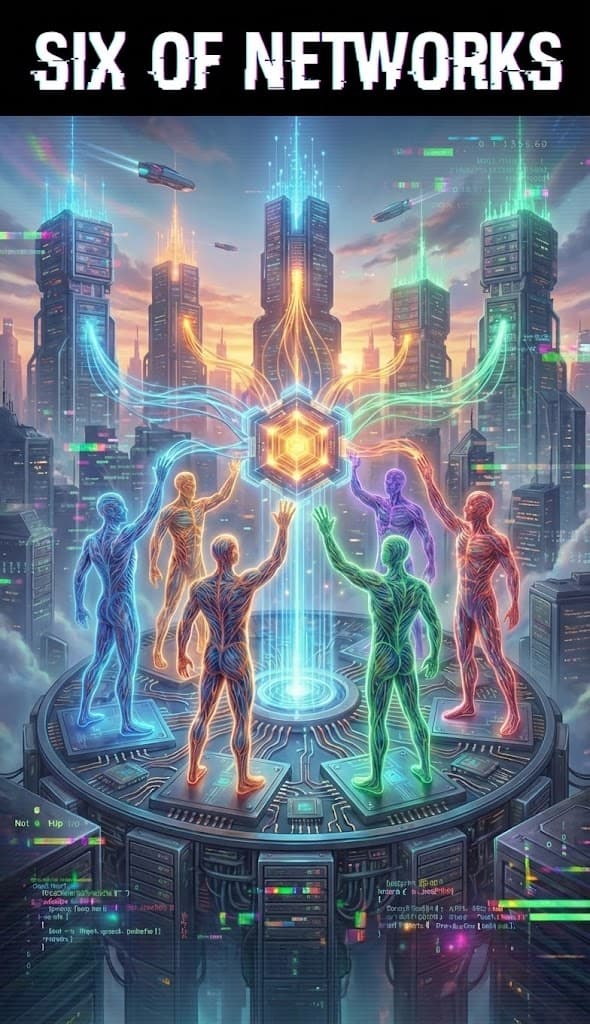
Six of Networks
nostalgia · innocence · reunion
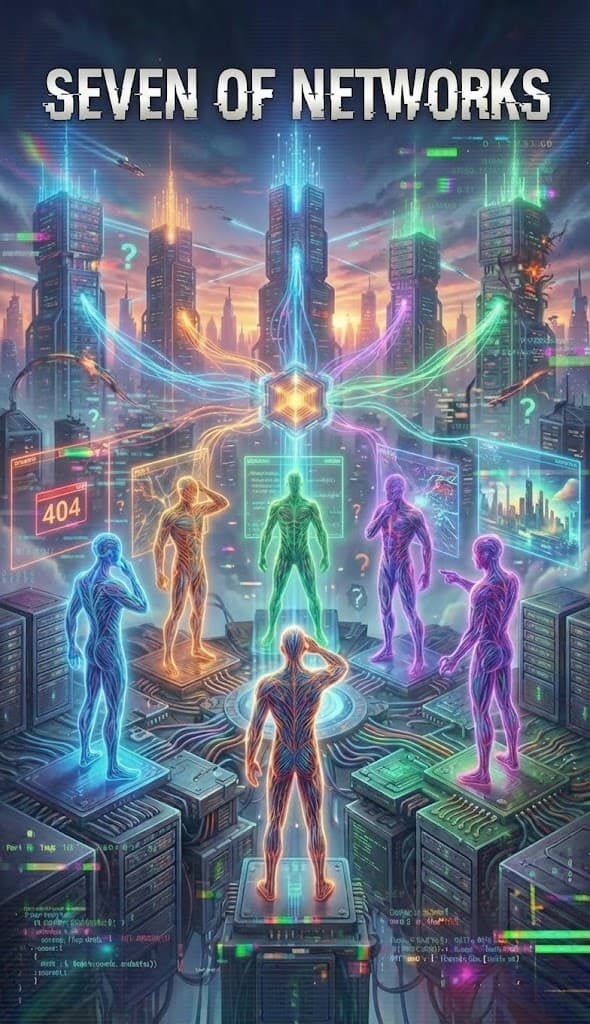
Seven of Networks
fantasy · illusion · wishful thinking
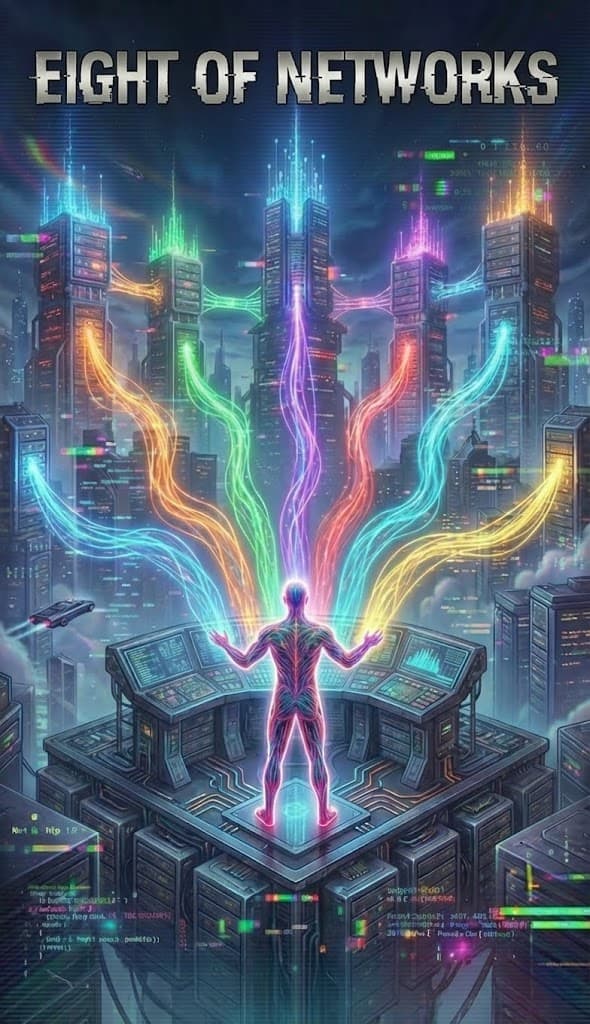
Eight of Networks
departure · abandonment · moving on
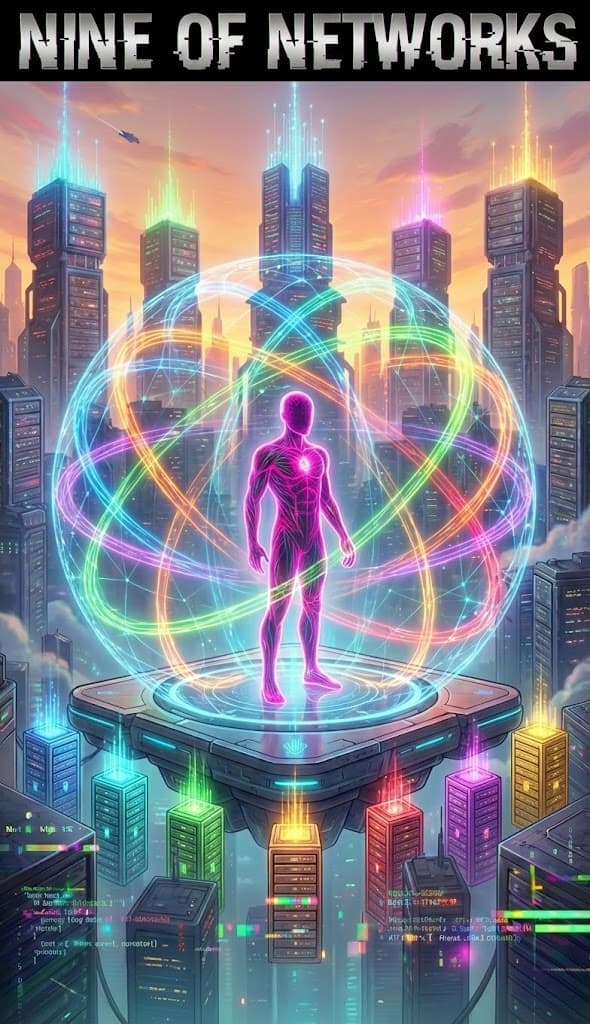
Nine of Networks
contentment · satisfaction · gratitude
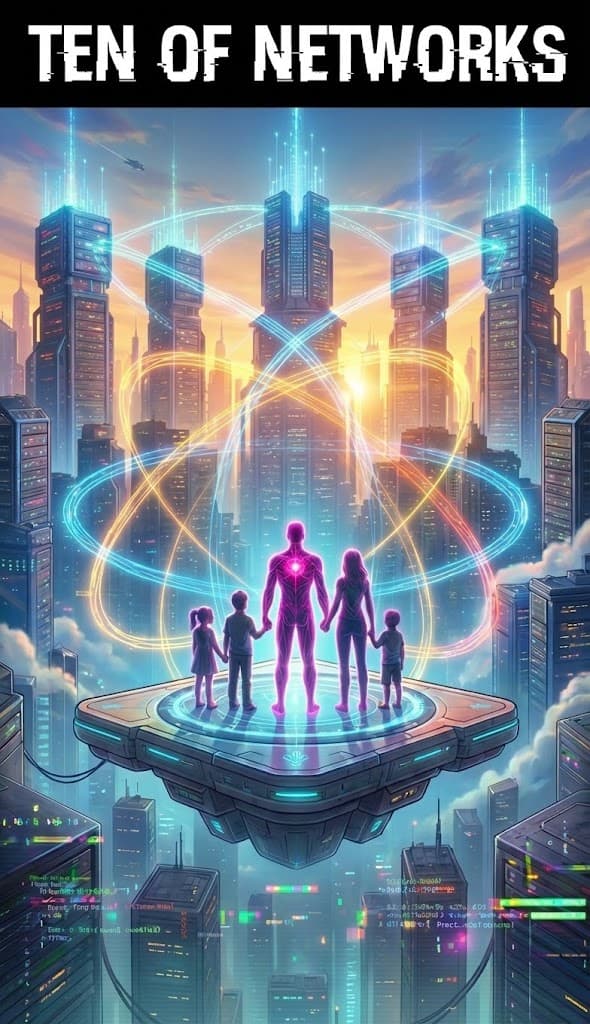
Ten of Networks
family · harmony · community
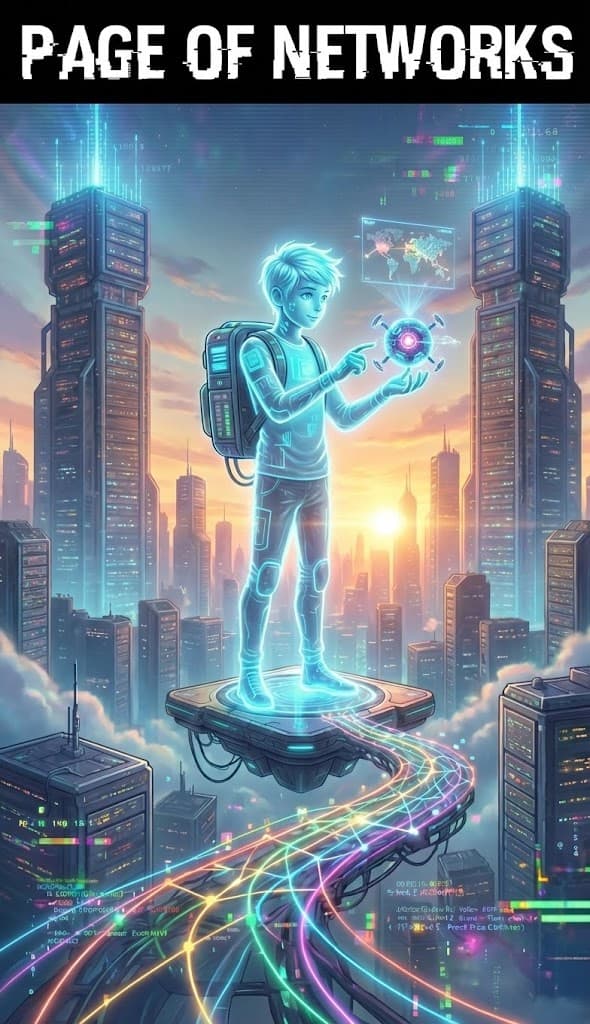
Page of Networks
sensitivity · intuition · creative message
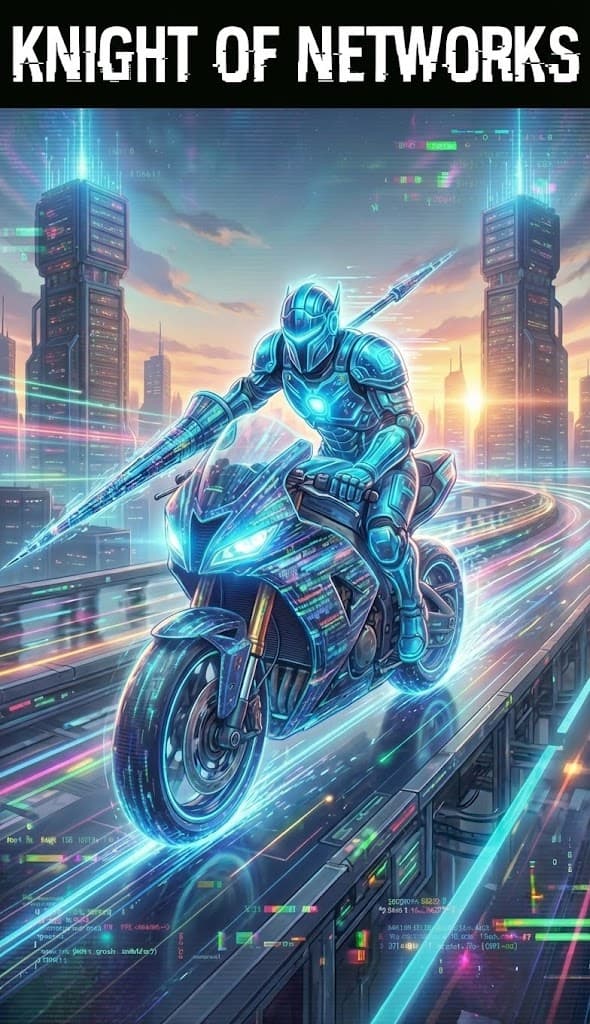
Knight of Networks
romance · charm · imagination
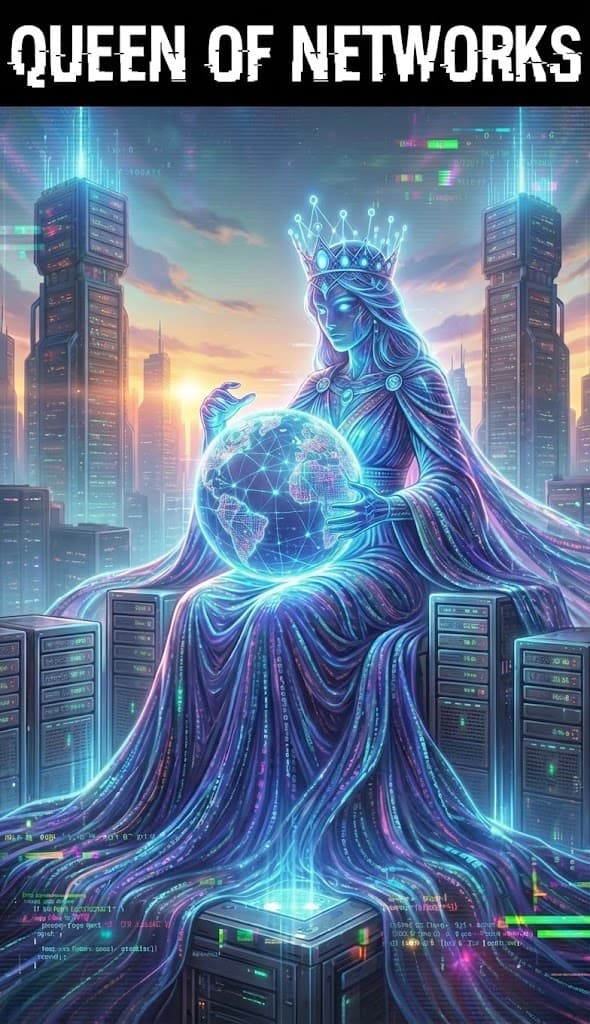
Queen of Networks
compassion · intuition · emotional intelligence
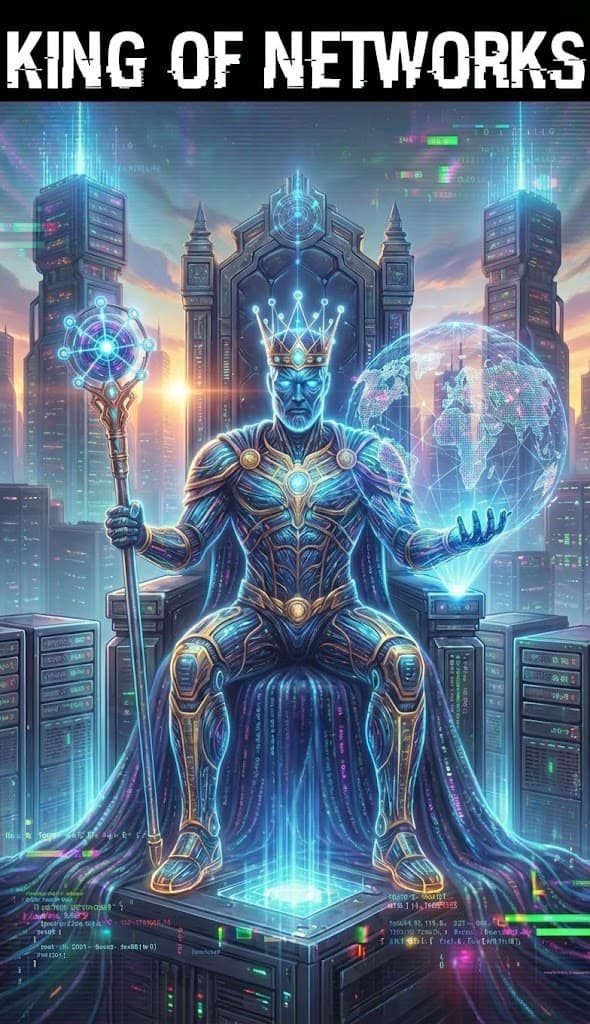
King of Networks
diplomacy · emotional mastery · wisdom
Suit of Signals14 cards
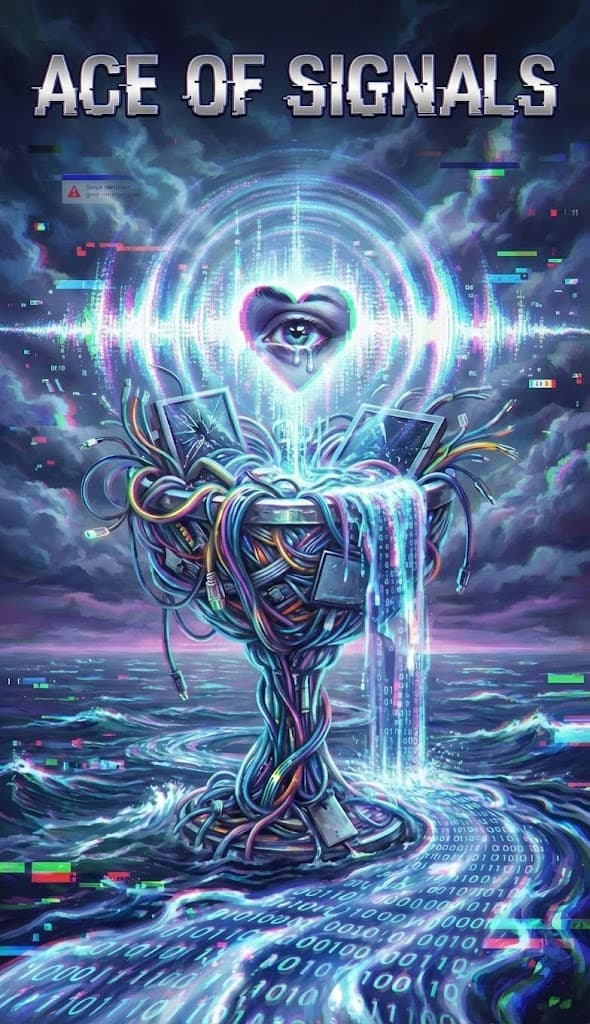
Ace of Signals
clarity · breakthrough · truth
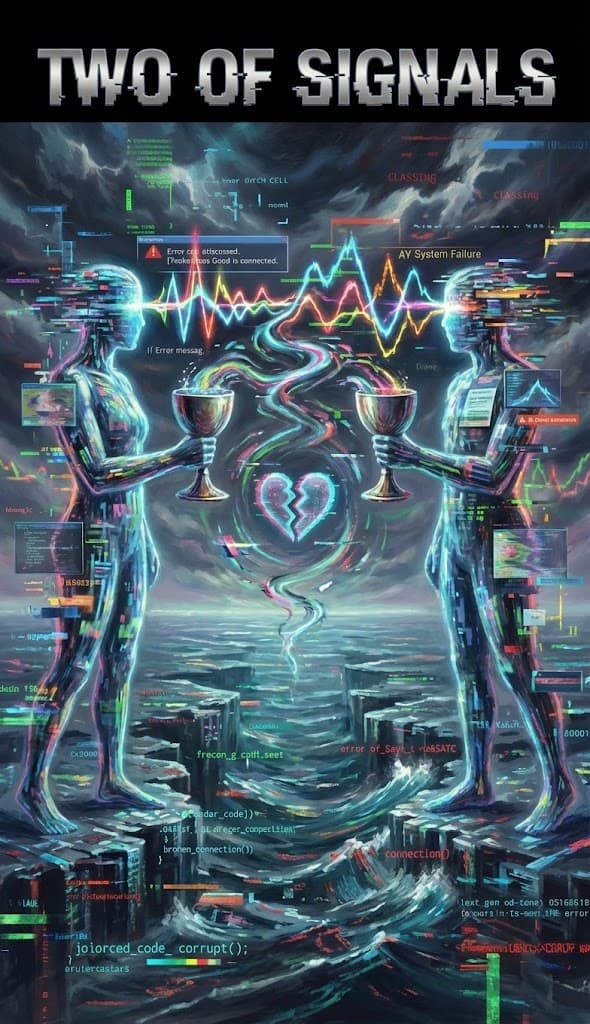
Two of Signals
indecision · stalemate · difficult choice
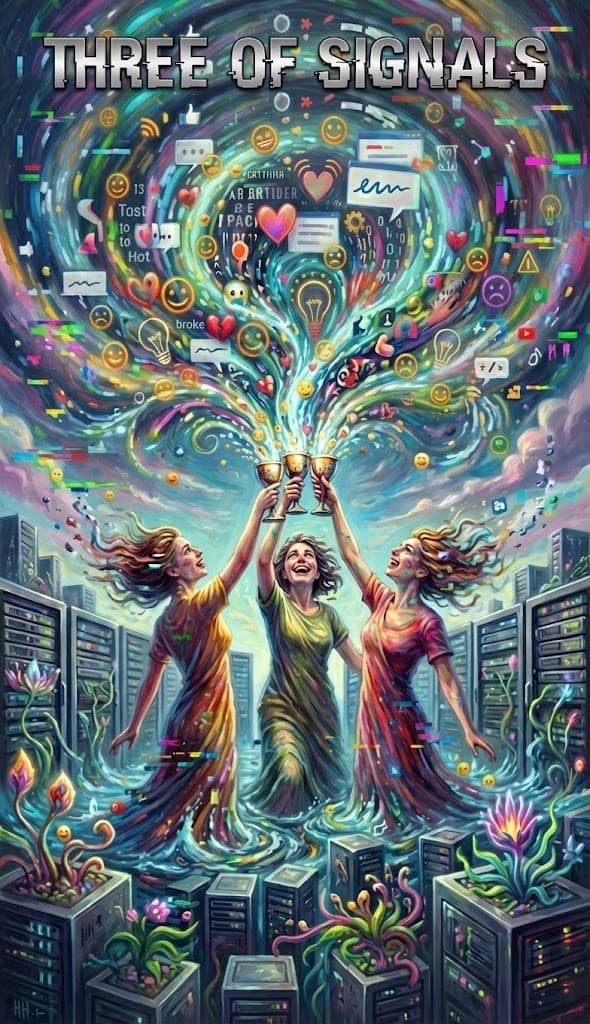
Three of Signals
heartbreak · sorrow · painful truth
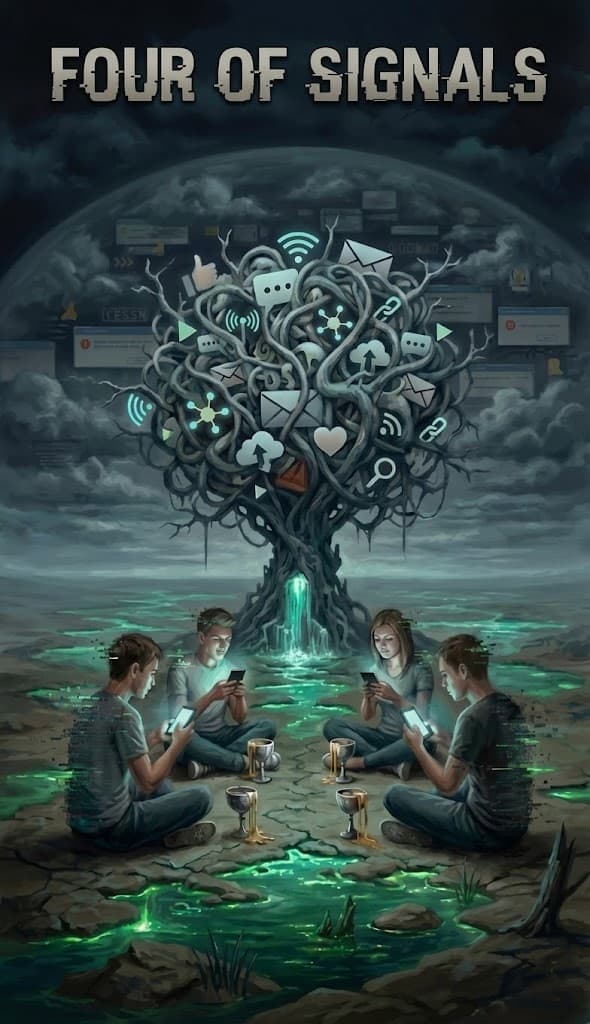
Four of Signals
rest · recovery · contemplation
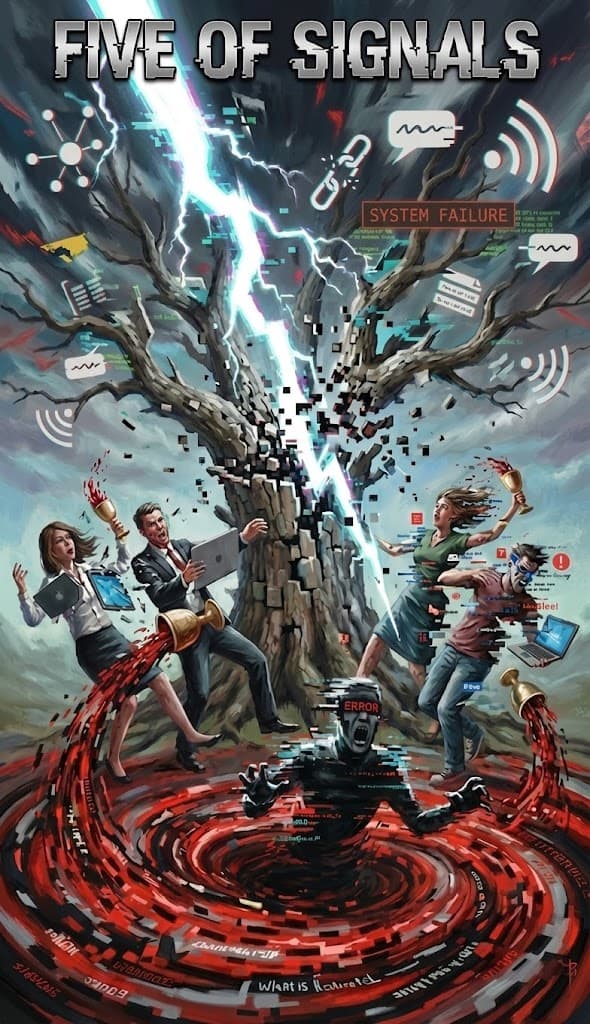
Five of Signals
conflict · defeat · betrayal
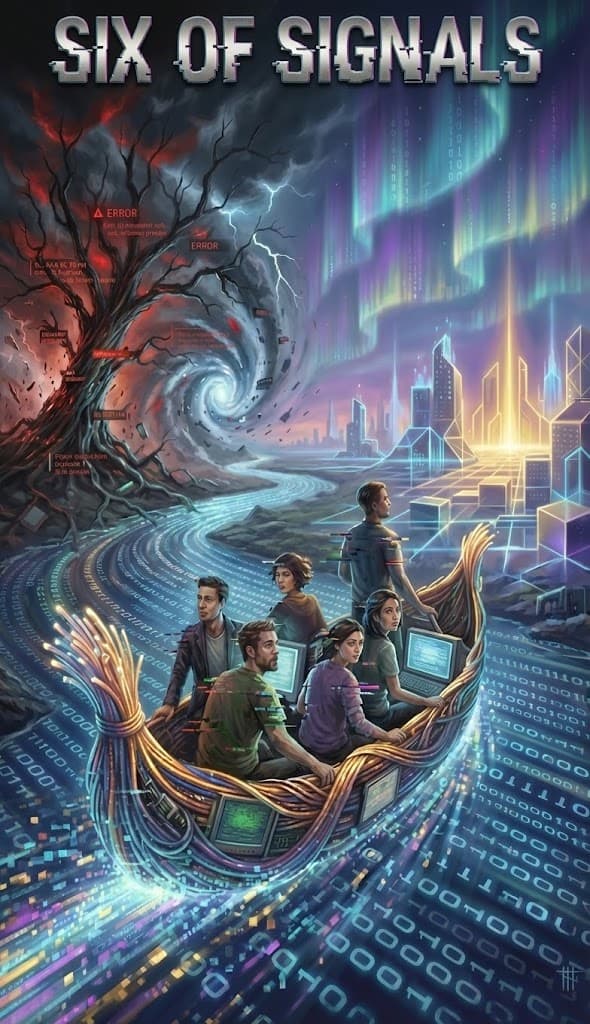
Six of Signals
transition · recovery · moving forward
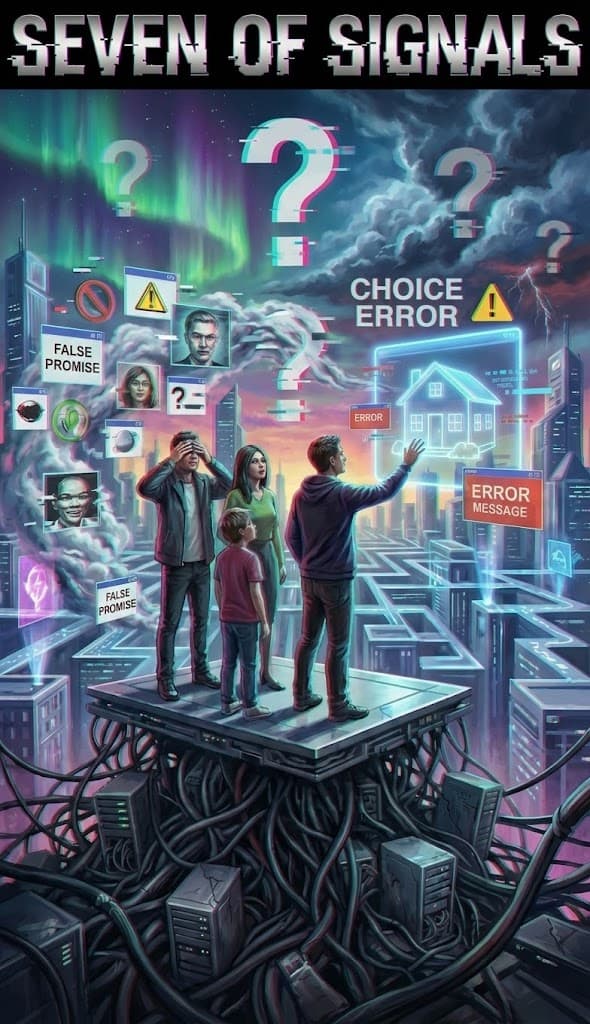
Seven of Signals
strategy · deception · stealth
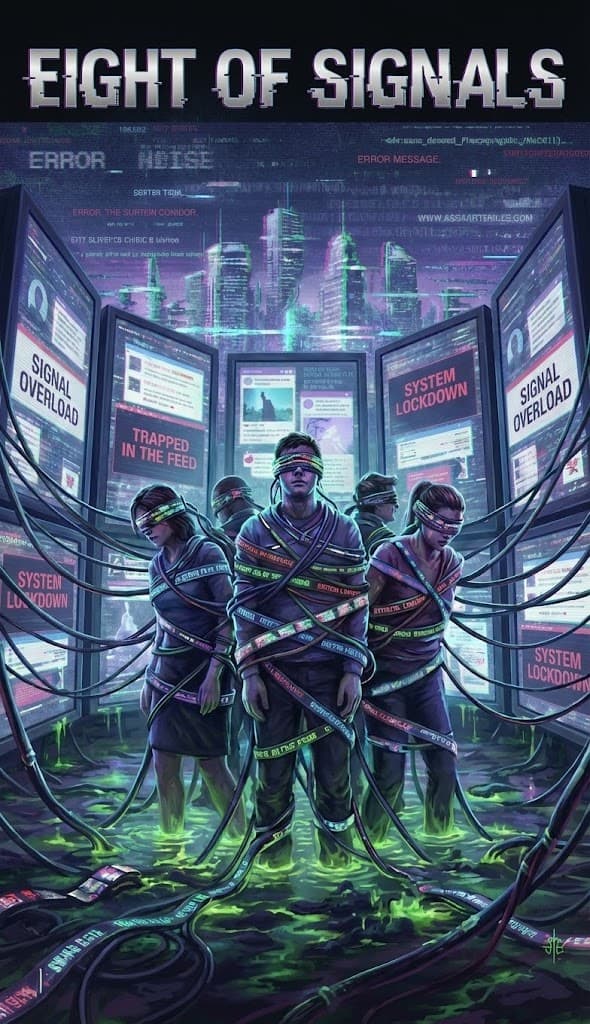
Eight of Signals
restriction · imprisonment · overthinking
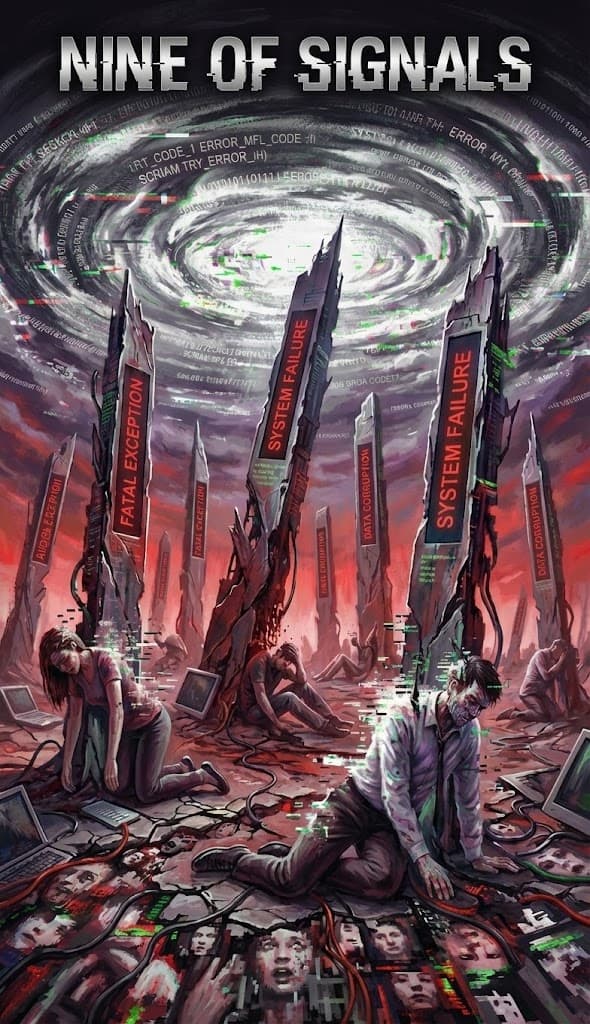
Nine of Signals
anxiety · worry · nightmares
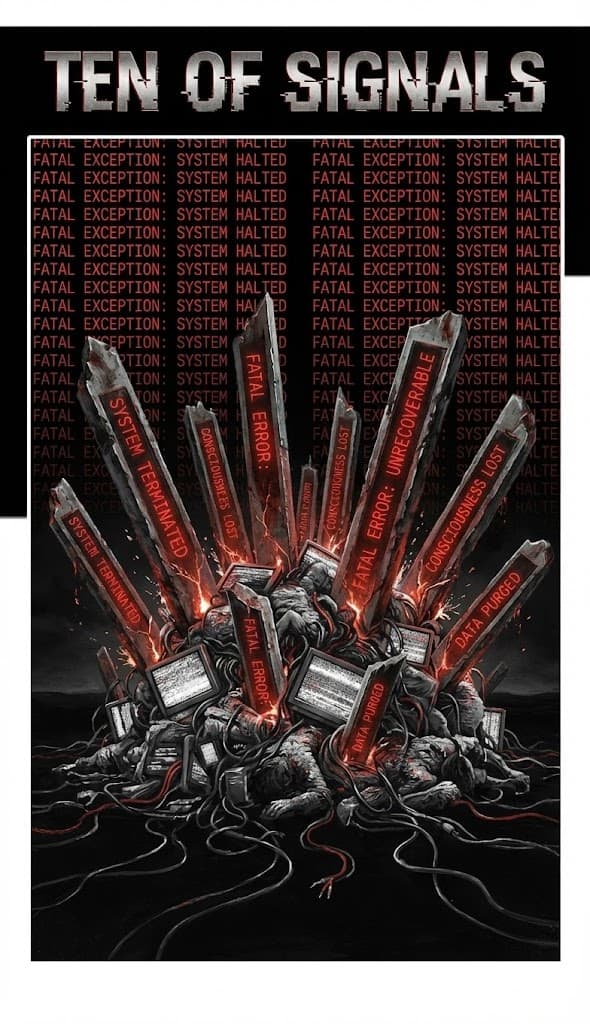
Ten of Signals
rock bottom · ending · defeat
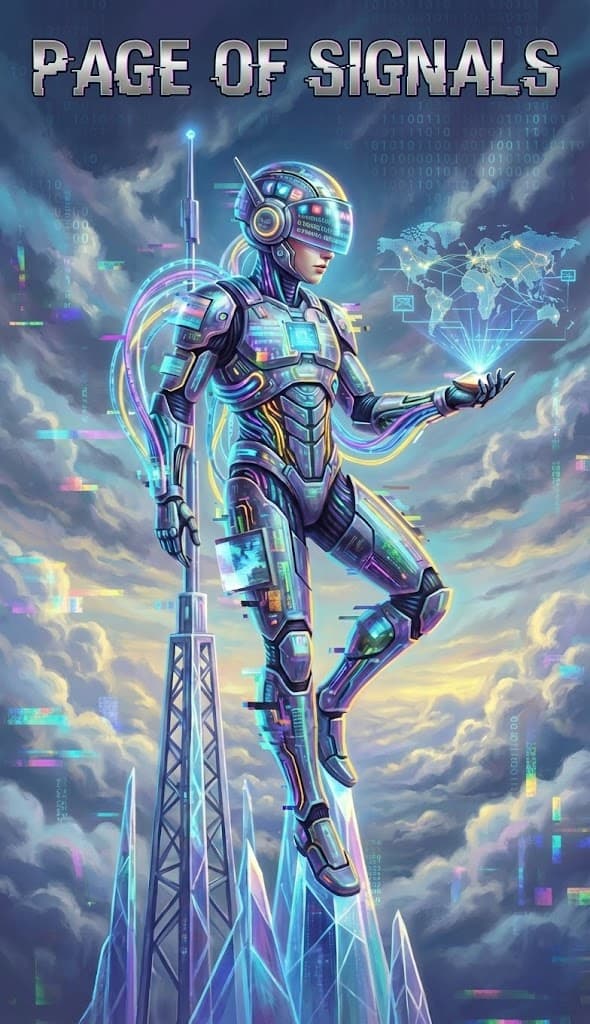
Page of Signals
curiosity · vigilance · new information
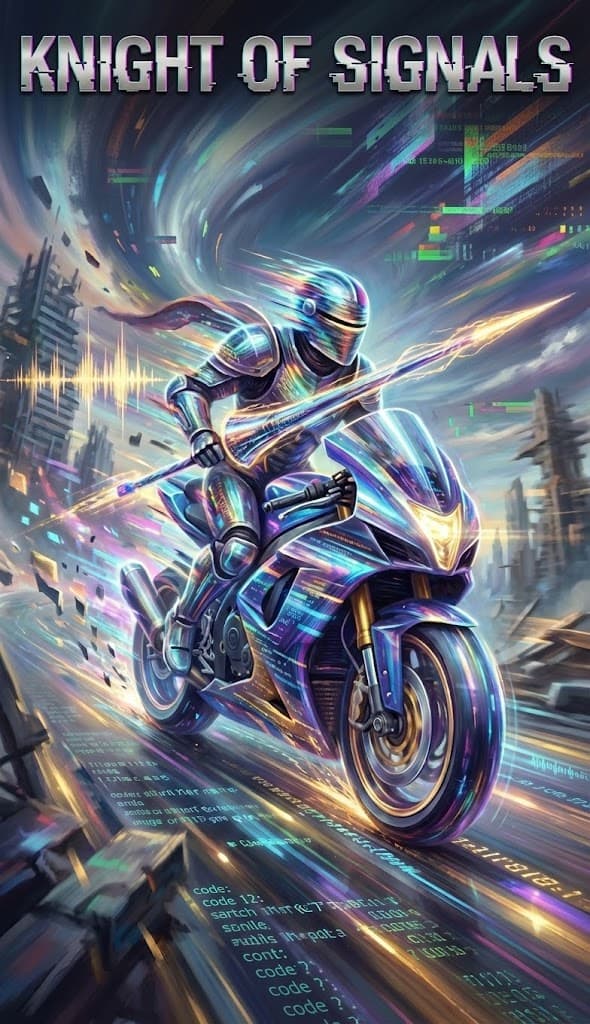
Knight of Signals
ambition · action · speed
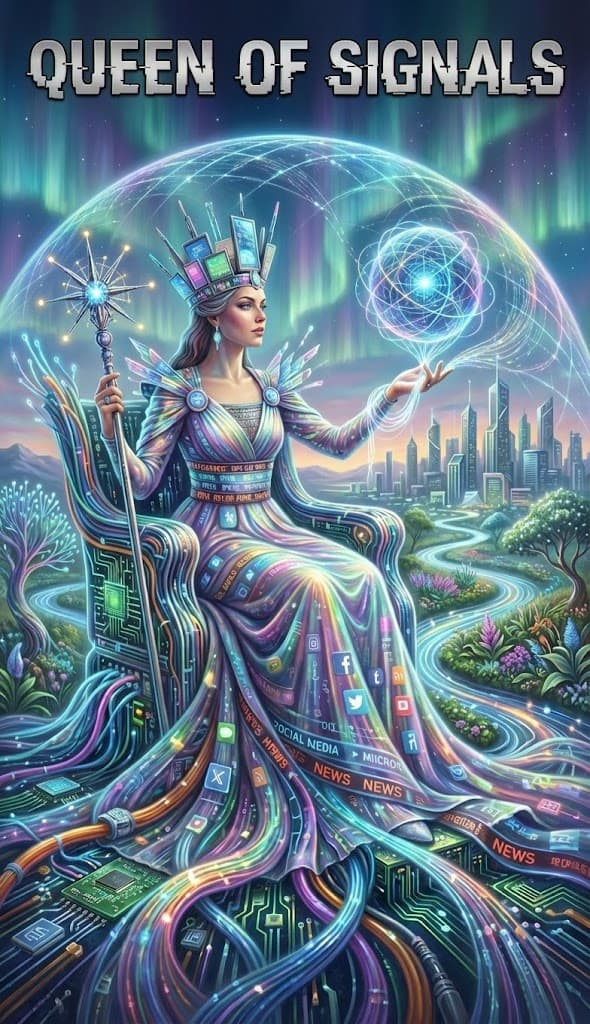
Queen of Signals
clarity · perception · independence
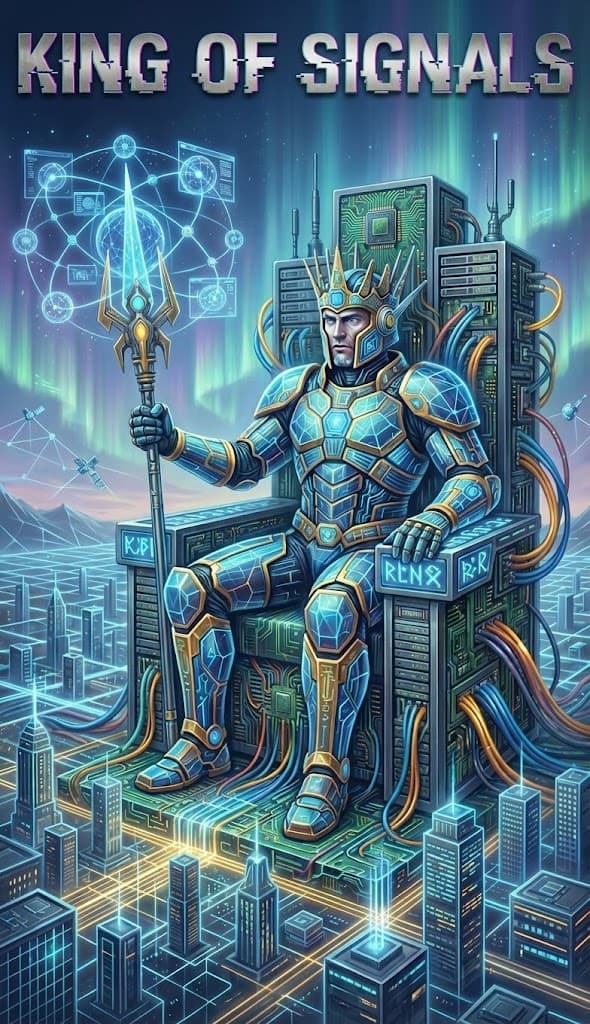
King of Signals
authority · intellect · truth
Suit of Vectors14 cards
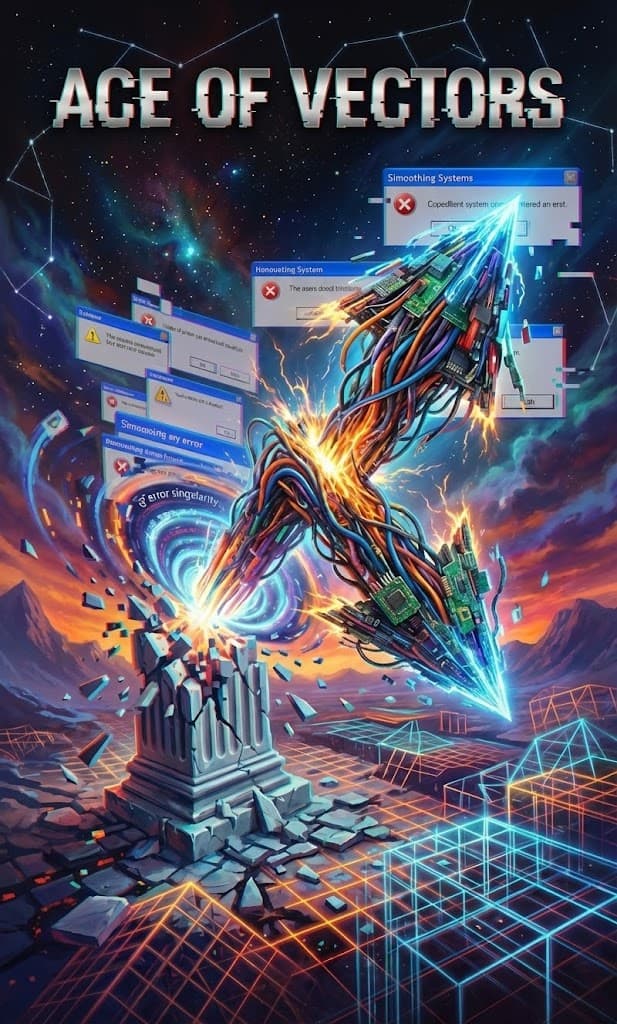
Ace of Vectors
inspiration · new venture · creative spark
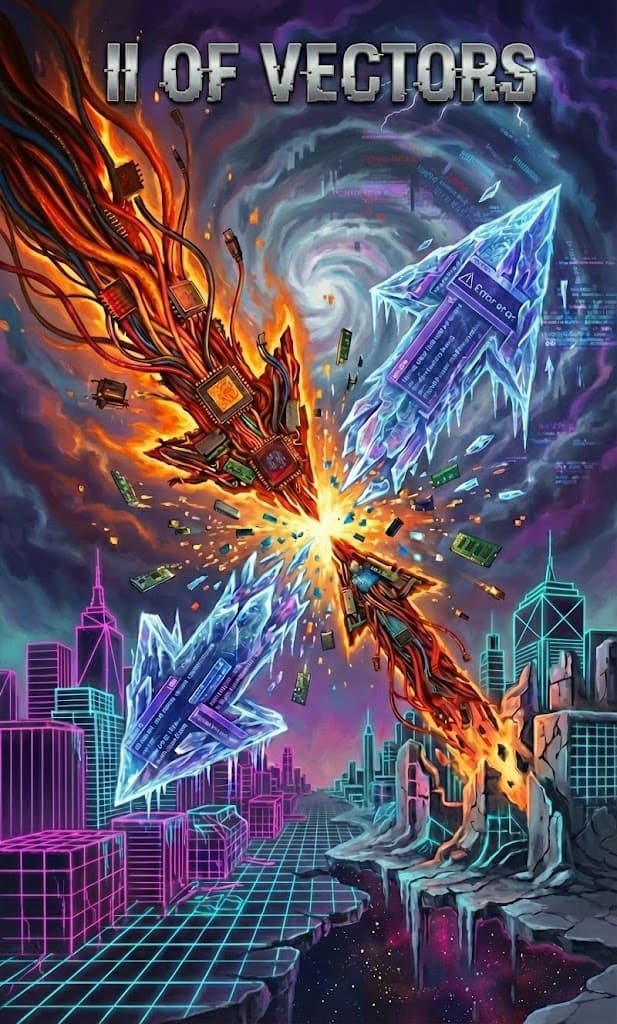
Two of Vectors
planning · decision · discovery
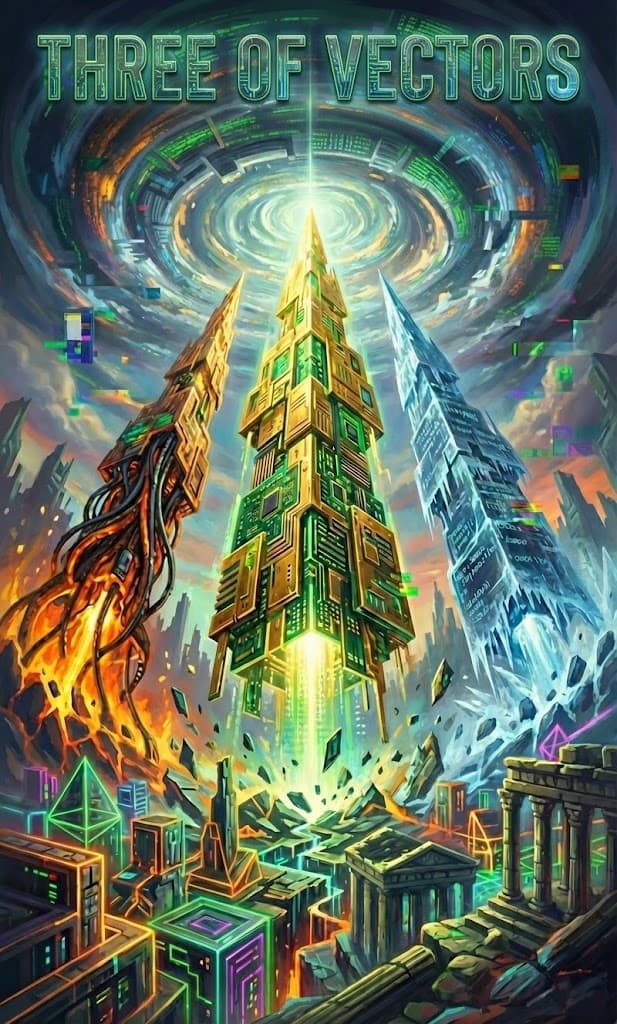
Three of Vectors
expansion · exploration · foresight
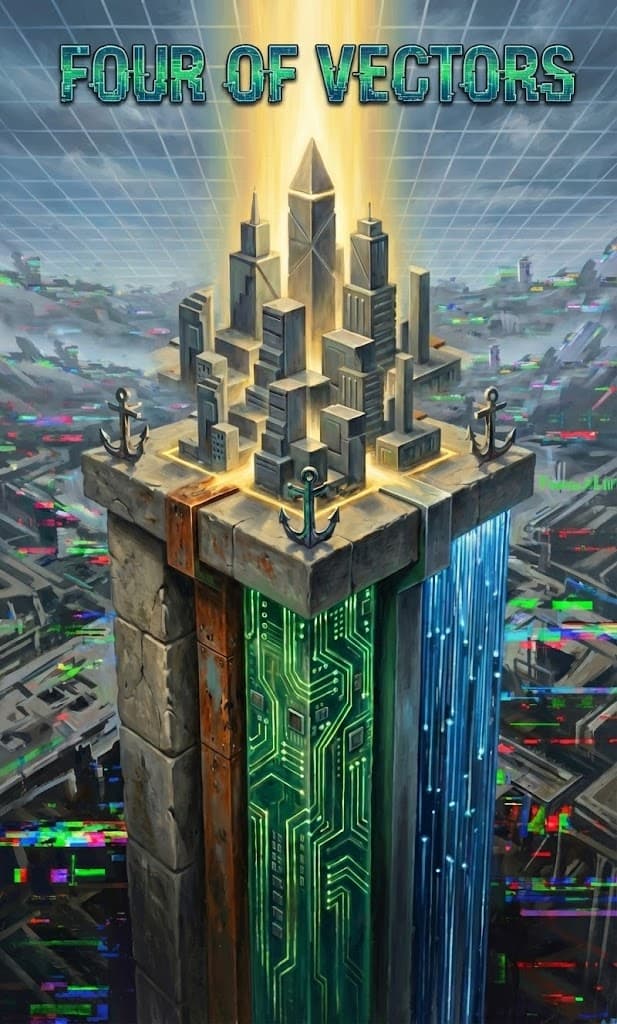
Four of Vectors
celebration · stability · harmony
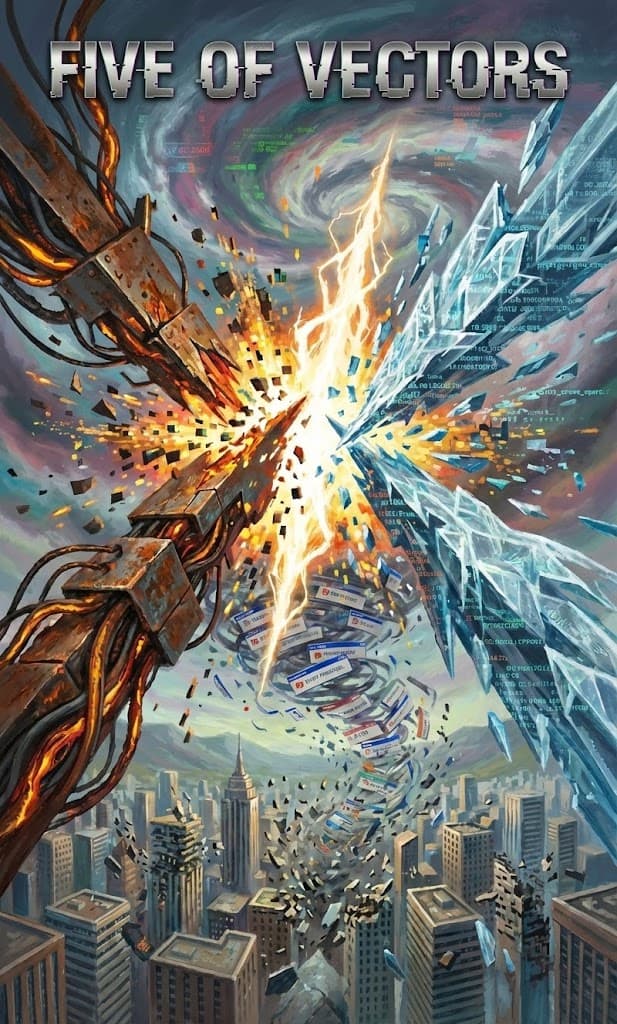
Five of Vectors
competition · conflict · tension
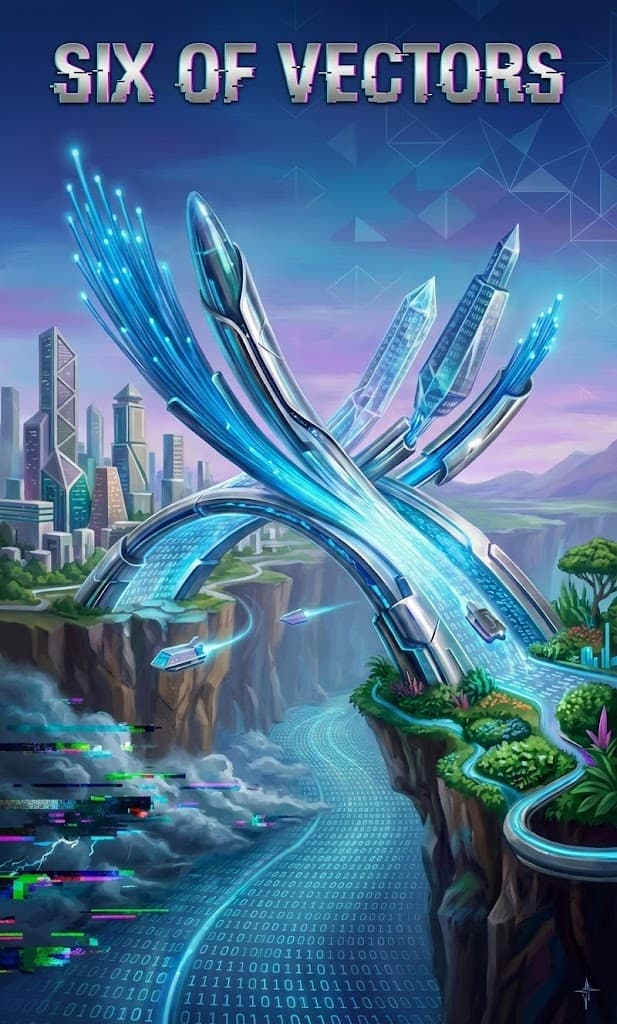
Six of Vectors
victory · recognition · triumph
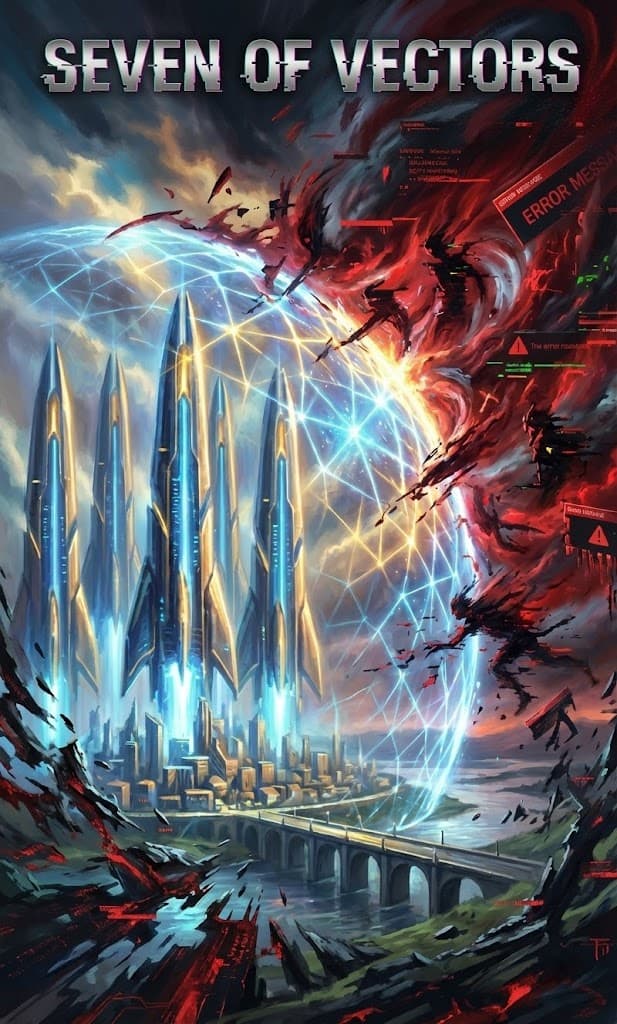
Seven of Vectors
perseverance · defense · conviction
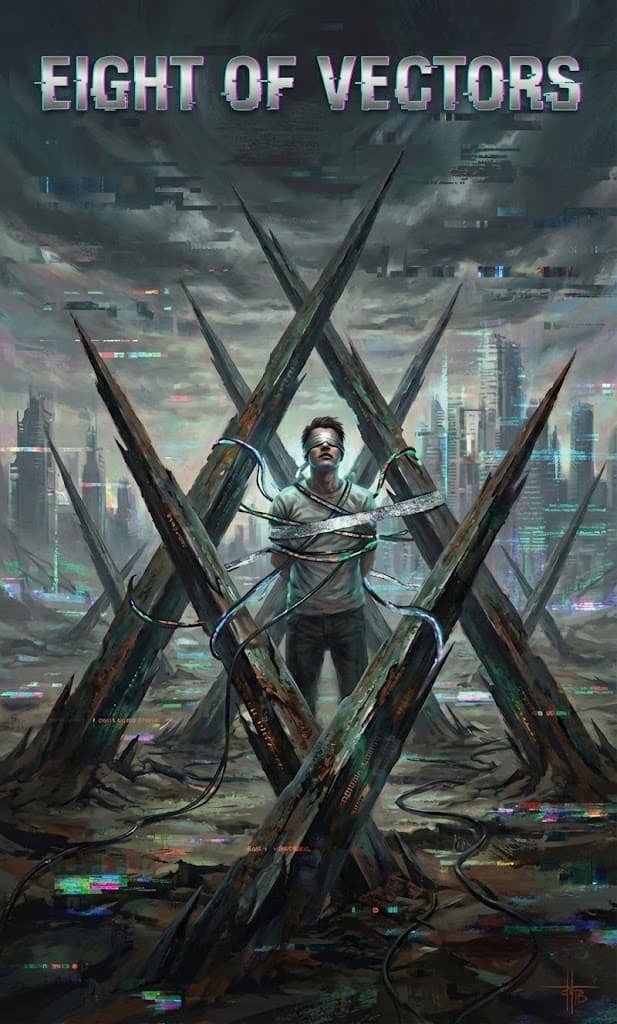
Eight of Vectors
speed · momentum · rapid progress
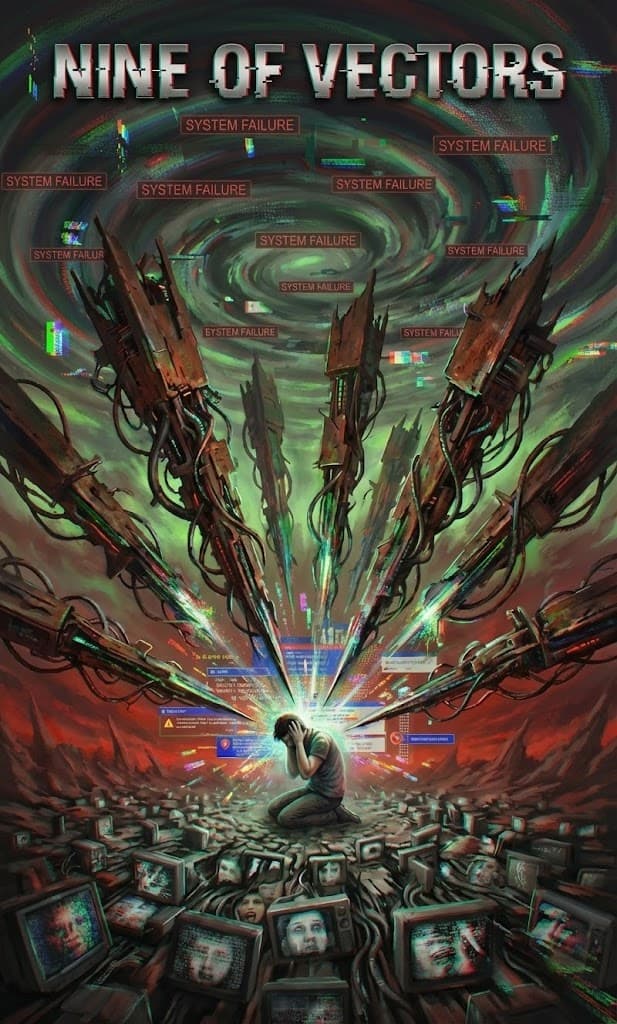
Nine of Vectors
resilience · persistence · courage
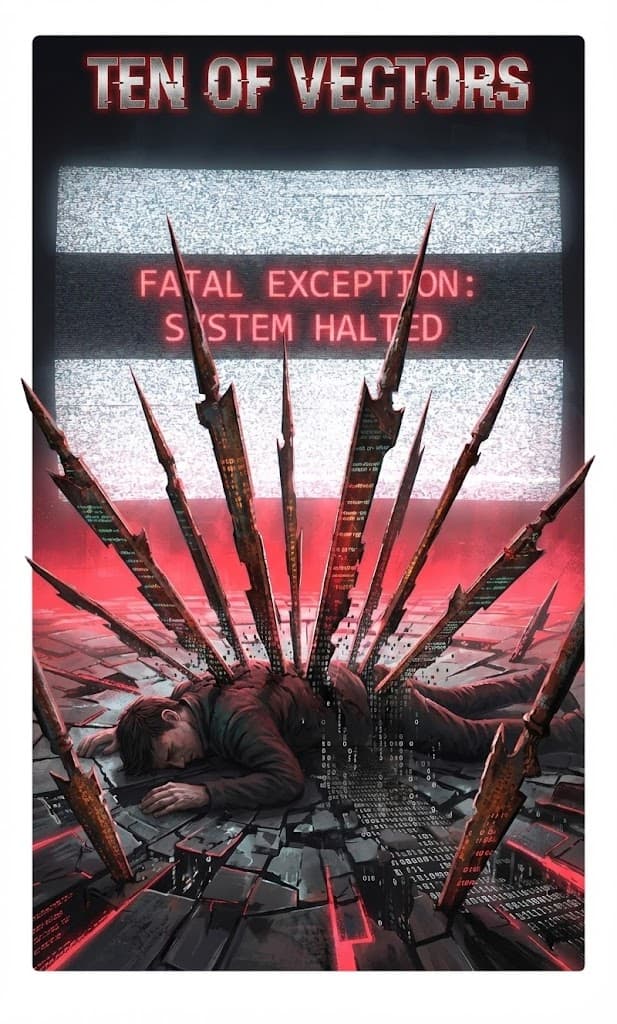
Ten of Vectors
burden · responsibility · stress
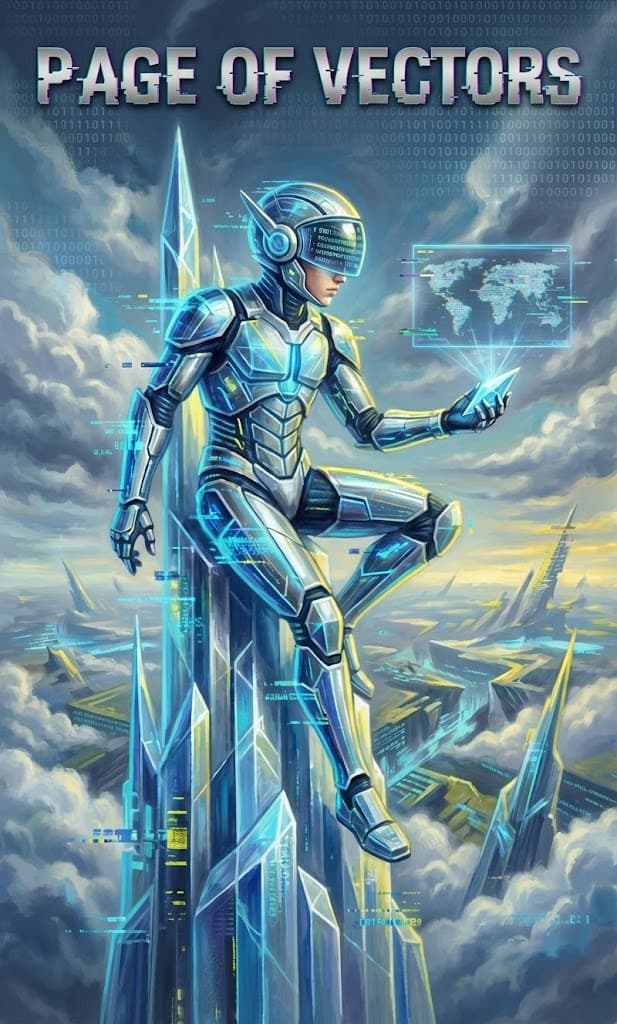
Page of Vectors
enthusiasm · exploration · discovery
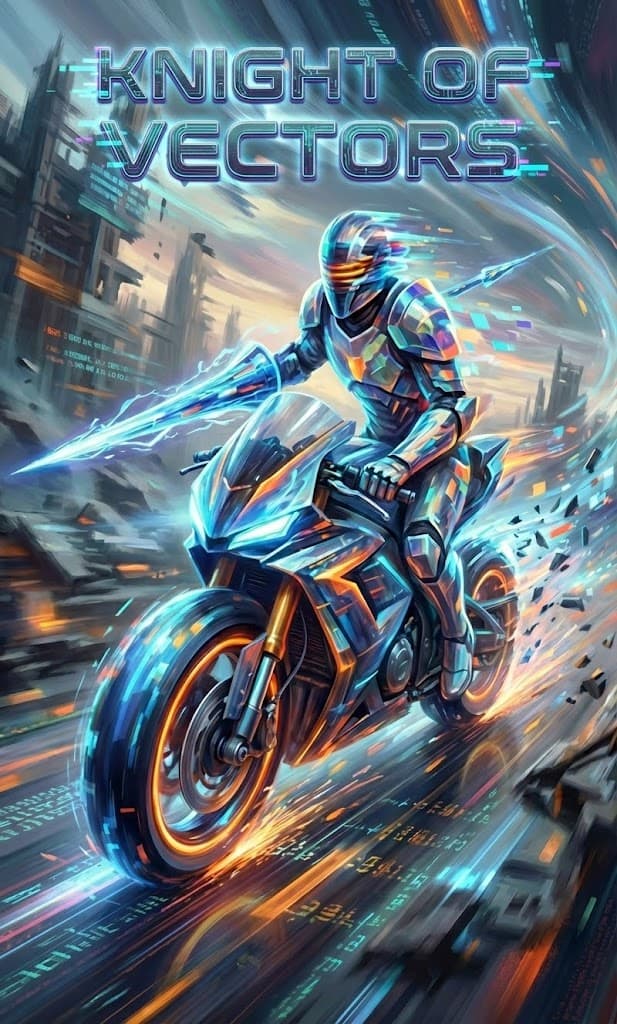
Knight of Vectors
action · adventure · passion
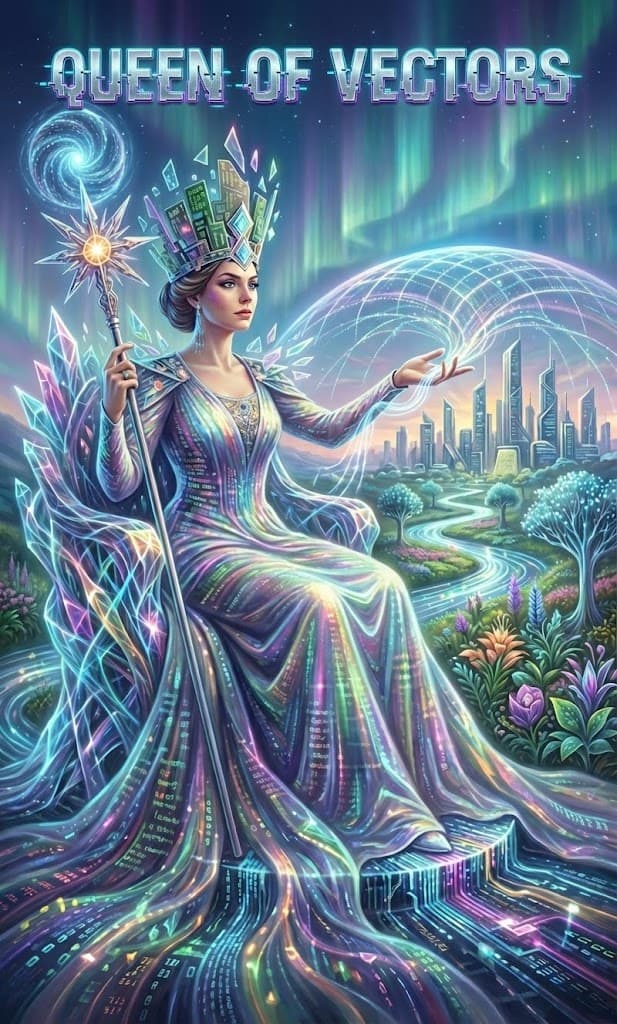
Queen of Vectors
confidence · determination · charisma
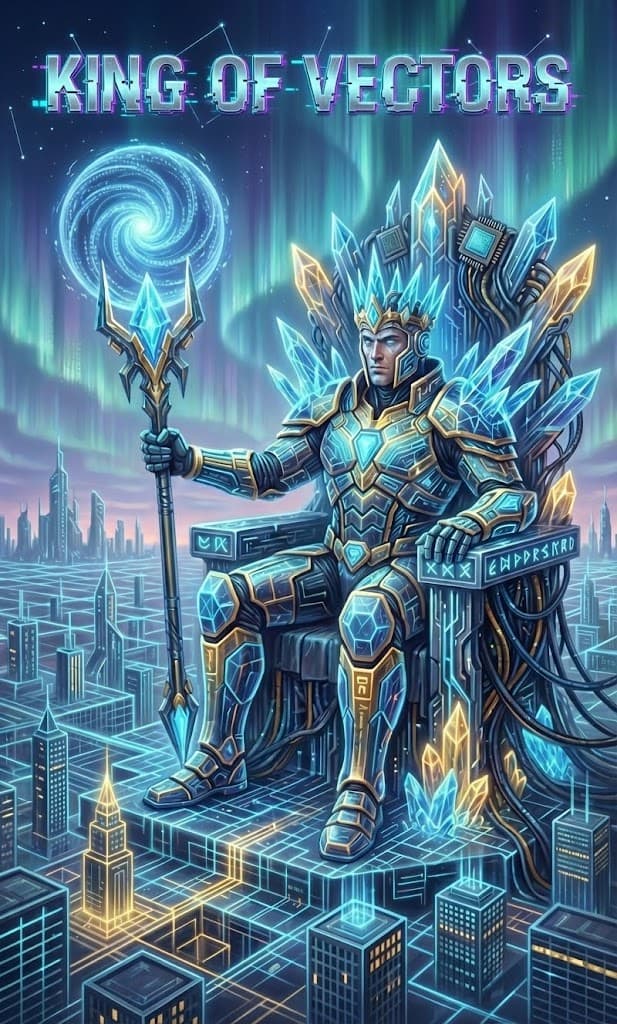
King of Vectors
leadership · vision · entrepreneurship
Special1 card
Frequently Asked Questions
How many cards are in the Chaos Tarot?+
What makes Chaos Tarot different from traditional tarot?+
Do I need to be psychic to read tarot?+
What are reversed cards?+
What is the difference between Major and Minor Arcana?+
Ready to Read the Cards?
Get AI-powered tarot readings with the full 79-card Chaos Tarot deck. Multiple spreads, reversals, and personalized interpretations.
Start Your Reading